

Introduction
Table of Contents
Gaming has come a long way since the days of pixelated sprites and blocky landscapes. The evolution of gaming graphics is a testament to the rapid advancements in technology, creativity, and the growing demands of gamers worldwide. From the simplistic visuals of Pong in the 1970s to the photorealistic worlds of Cyberpunk 2077 and The Last of Us Part II, gaming graphics have undergone a monumental transformation.
This article dives into the fascinating journey of gaming graphics, comparing the past and present, and exploring how these changes have shaped the gaming industry. Whether you’re a nostalgic gamer or a tech enthusiast, you’ll gain valuable insights into how far we’ve come and where we’re headed.
The Early Days of Gaming Graphics
The Birth of Pixel Art
In the 1970s and 1980s, gaming graphics were rudimentary by today’s standards. Games like Pong (1972) and Space Invaders (1978) relied on simple geometric shapes and limited color palettes. These early games were groundbreaking at the time, offering a new form of entertainment that captivated audiences.
- Key Characteristics:
- Low-resolution displays (often 240p or lower).
- Limited color options (8-bit or 16-bit graphics).
- Basic animations and repetitive designs.
The Rise of 2D Sprites
The 1980s and 1990s saw the rise of 2D sprite-based graphics, which became the foundation for iconic games like Super Mario Bros. (1985) and Street Fighter II (1991). These games introduced more detailed characters and environments, pushing the boundaries of what was possible with 2D art.
- Notable Advancements:
- Improved color depth and shading techniques.
- Introduction of parallax scrolling for depth perception.
- More complex animations and character designs.
The Transition to 3D Graphics
The 1990s: A New Dimension
The mid-1990s marked a pivotal moment in gaming history with the advent of 3D graphics. Games like Super Mario 64 (1996) and Tomb Raider (1996) revolutionized the industry by introducing fully realized 3D worlds.
- Key Innovations:
- Polygonal models replaced 2D sprites.
- Introduction of texture mapping for more realistic surfaces.
- Dynamic camera angles and immersive environments.
The Role of Hardware Advancements
The shift to 3D graphics was made possible by advancements in gaming hardware. Consoles like the Sony PlayStation and Nintendo 64 featured dedicated graphics processors capable of rendering complex 3D scenes.
- Impact on Gaming:
- Greater immersion and interactivity.
- Expanded creative possibilities for game developers.
- Increased demand for more powerful hardware.
Modern Gaming Graphics: A Photorealistic Era
The Power of Real-Time Rendering
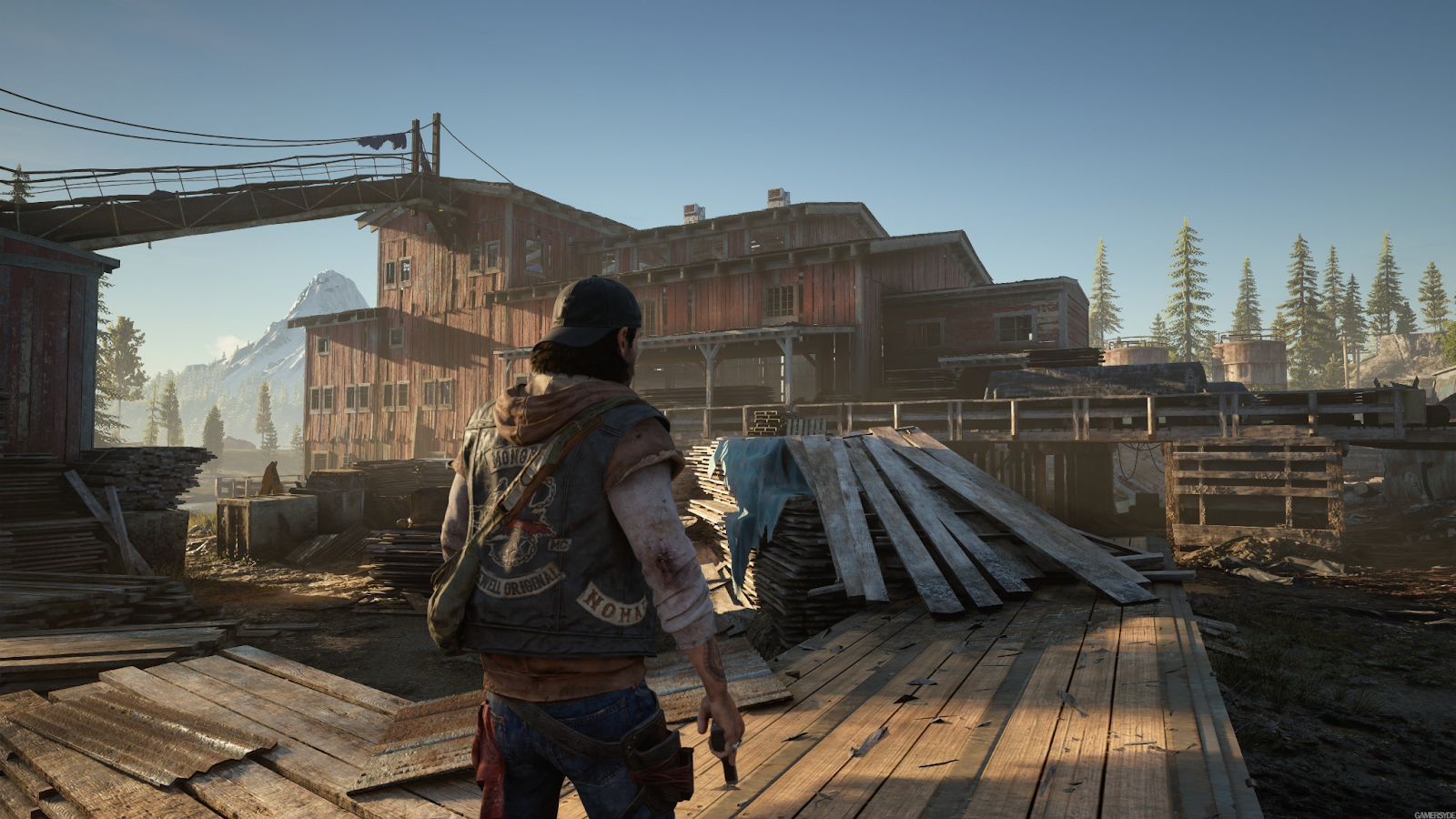
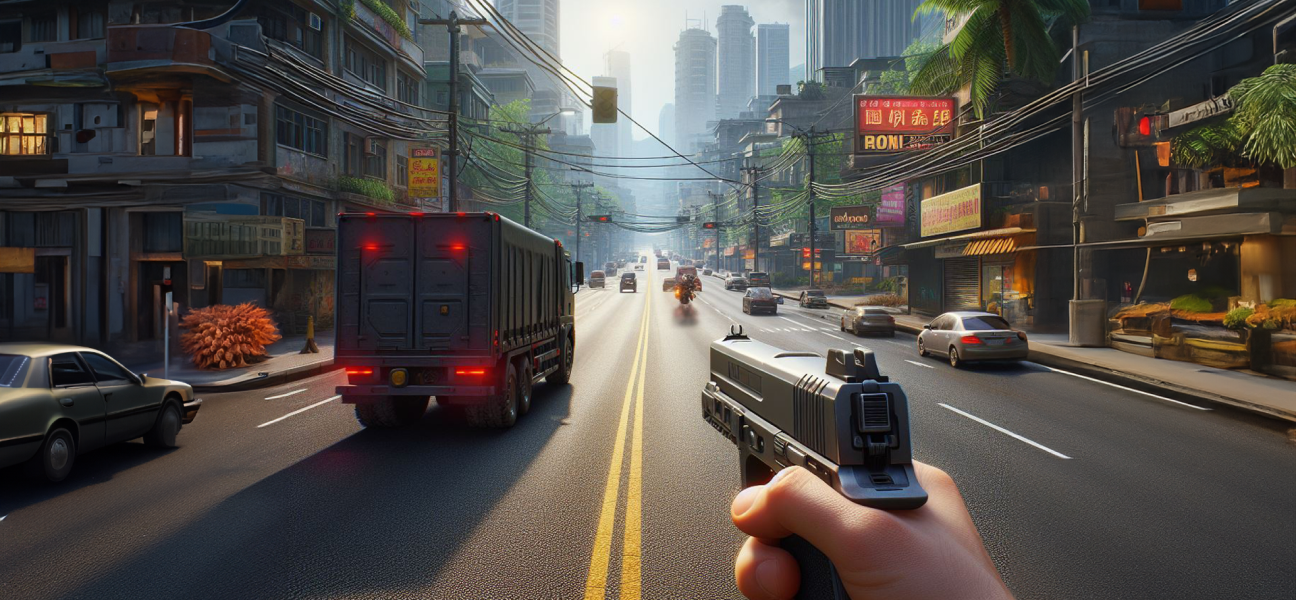
Today’s gaming graphics are a far cry from the pixelated visuals of the past. Modern games leverage real-time rendering technologies like ray tracing, which simulates the behavior of light to create stunningly realistic visuals.
- Examples of Cutting-Edge Graphics:
- The Last of Us Part II (2020): Praised for its lifelike character models and environments.
- Cyberpunk 2077 (2020): Despite its rocky launch, the game’s visuals are undeniably impressive.
- Red Dead Redemption 2 (2018): Known for its breathtaking open-world design.
The Role of AI and Machine Learning
Artificial intelligence (AI) is playing an increasingly important role in gaming graphics. Technologies like NVIDIA’s DLSS (Deep Learning Super Sampling) use AI to upscale lower-resolution images, delivering high-quality visuals without compromising performance.
- Benefits of AI in Graphics:
- Enhanced image quality and performance.
- Real-time adjustments to lighting and textures.
- More efficient use of hardware resources.
The Future of Gaming Graphics
Virtual Reality (VR) and Augmented Reality (AR)
The next frontier in gaming graphics lies in VR and AR. These technologies promise to deliver even more immersive experiences by blending the virtual and real worlds.
- Potential Applications:
- Fully immersive VR worlds with photorealistic graphics.
- AR games that integrate digital elements into the real world.
- Enhanced interactivity and player engagement.
The Rise of Cloud Gaming
Cloud gaming platforms like Google Stadia and Xbox Cloud Gaming are changing the way we experience games. By streaming games directly to devices, these platforms eliminate the need for powerful hardware, making high-quality graphics accessible to a wider audience.
- Advantages of Cloud Gaming:
- No need for expensive gaming consoles or PCs.
- Instant access to a vast library of games.
- Consistent performance across devices.
Expert Opinions and Statistics
Insights from Industry Leaders
John Carmack, co-founder of id Software and a pioneer in 3D graphics, once said, “The appeal of virtual worlds is that they can be anything you want them to be.” This sentiment underscores the limitless potential of gaming graphics.
Key Statistics
- The global gaming market is projected to reach $268.8 billion by 2025, driven in part by advancements in graphics technology.
- A survey by Statista found that 67% of gamers consider graphics quality a key factor in their purchasing decisions.
Actionable Insights for Gamers and Developers
For Gamers
- Invest in hardware that supports the latest graphics technologies, such as ray tracing and DLSS.
- Explore cloud gaming platforms to experience high-quality graphics without breaking the bank.
For Developers
- Leverage AI and machine learning to optimize graphics performance.
- Focus on creating immersive worlds that take full advantage of modern rendering techniques.
Conclusion
The evolution of gaming graphics is a story of innovation, creativity, and technological progress. From the humble beginnings of pixel art to the photorealistic worlds of today, gaming graphics have transformed the way we play and experience games. As we look to the future, technologies like VR, AR, and cloud gaming promise to take us even further, blurring the line between reality and virtual worlds.
Whether you’re a gamer, developer, or simply a fan of technology, one thing is clear: the best is yet to come.

1. What was the first game to use 3D graphics?
The first game to use 3D graphics was Maze War (1974), which featured a rudimentary 3D environment. However, Super Mario 64 (1996) is often credited with popularizing 3D graphics in gaming.
2. How has ray tracing improved gaming graphics?
Ray tracing simulates the behavior of light, creating more realistic reflections, shadows, and lighting effects. This technology has significantly enhanced the visual fidelity of modern games.
3. What is the future of gaming graphics?
The future of gaming graphics lies in technologies like VR, AR, and cloud gaming, which promise to deliver even more immersive and accessible experiences.
4. How important are graphics in gaming?
Graphics play a crucial role in gaming, influencing player immersion, emotional engagement, and overall enjoyment. However, gameplay and storytelling remain equally important.