


In today’s digital age, gaming has become a global phenomenon, captivating millions of players worldwide. While many enjoy gaming as a hobby or even a career, concerns about gaming addiction have grown. But how do you distinguish between a healthy passion for gaming and a harmful addiction? This article explores the fine line between gaming addiction and passion, offering insights, expert opinions, and actionable advice to help you understand and navigate this complex issue.
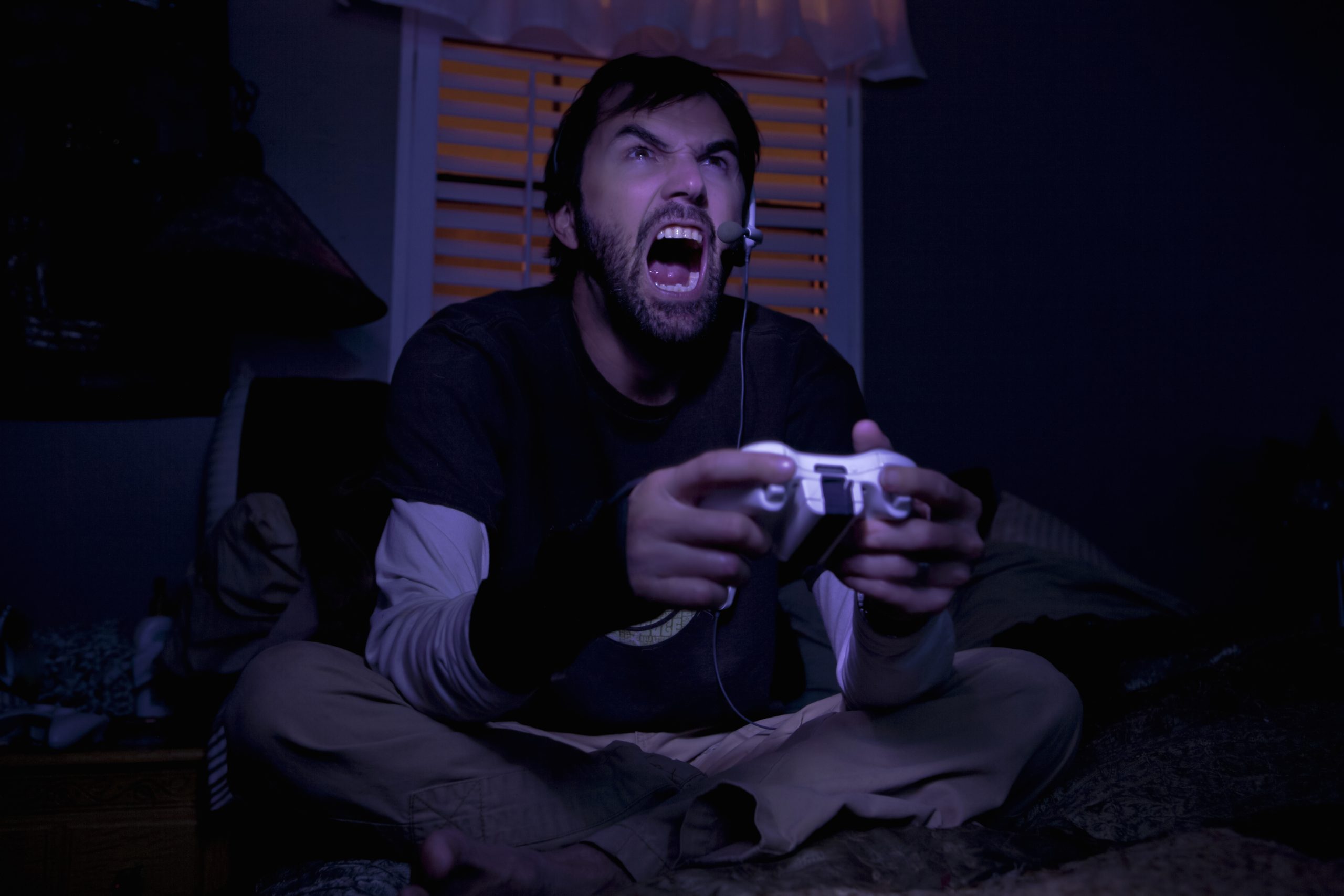
Understanding Gaming: Passion or Addiction?
Table of Contents
What is Gaming Passion?
Gaming passion refers to a deep enthusiasm and love for playing video games. For many, gaming is a way to relax, connect with friends, or even build a career. Passionate gamers often spend hours improving their skills, exploring new games, and engaging with the gaming community. This passion can lead to positive outcomes, such as improved problem-solving skills, creativity, and even professional opportunities in esports or game development.
What is Gaming Addiction?
Gaming addiction, on the other hand, is a behavioral disorder characterized by excessive and compulsive gaming that interferes with daily life. The World Health Organization (WHO) recognized “Gaming Disorder” in 2018, defining it as a pattern of persistent gaming behavior that takes precedence over other life interests and activities. Symptoms include loss of control over gaming, prioritizing gaming over responsibilities, and continuing to game despite negative consequences.
Key Differences Between Gaming Passion and Addiction
| Aspect | Gaming Passion | Gaming Addiction |
| Time Management | Balances gaming with other responsibilities | Struggles to control gaming time |
| Impact on Life | Enhances life (e.g., social connections) | Negatively affects work, health, relationships |
| Emotional State | Feels joy and fulfillment | Feels anxiety or irritability when not gaming |
| Priorities | Gaming is a hobby, not the sole focus | Gaming becomes the primary focus |
Real-World Examples: Passion vs. Addiction
Example 1: The Professional Gamer
Take the case of Ninja, a famous streamer and professional gamer. His passion for gaming has turned into a lucrative career, earning millions through sponsorships and streaming. Despite spending long hours gaming, he maintains a healthy work-life balance, showing that gaming passion can be channeled positively.
Example 2: The Addicted Teenager
In contrast, consider a teenager who skips school, neglects homework, and isolates himself from family and friends to play games. This behavior aligns with gaming addiction, as it disrupts his education, relationships, and overall well-being.
Expert Opinions on Gaming Addiction vs. Passion
Dr. Andrew Doan, a neuroscientist and addiction expert, explains:
“Gaming becomes problematic when it starts to replace essential activities like sleep, eating, and social interactions. Passionate gamers can still maintain a balanced life, but addicted gamers lose that balance.”
Similarly, Dr. Mark Griffiths, a psychologist specializing in behavioral addiction, notes:
“Not everyone who spends hours gaming is addicted. It’s about the context and consequences of their gaming behavior.”
Statistics on Gaming Addiction
- According to a 2021 study by the American Journal of Psychiatry, approximately 3% of gamers worldwide exhibit signs of gaming disorder.
- A survey by Statista revealed that 10% of gamers in the U.S. feel they play video games excessively.
- The global gaming market is projected to reach $268 billion by 2025, highlighting the growing influence of gaming on society.
How to Identify Gaming Addiction: Warning Signs
If you’re concerned about your gaming habits or those of a loved one, watch for these red flags:
- Neglecting Responsibilities: Skipping work, school, or household chores to game.
- Withdrawal Symptoms: Feeling irritable, anxious, or depressed when not gaming.
- Loss of Interest: Losing interest in hobbies or activities once enjoyed.
- Deceptive Behavior: Lying about the amount of time spent gaming.
- Physical Health Issues: Experiencing sleep deprivation, eye strain, or poor hygiene due to gaming.

Balancing Gaming Passion and Healthy Habits
For those who love gaming but want to avoid crossing into addiction, here are some actionable tips:
- Set Time Limits: Use apps or alarms to track and limit gaming sessions.
- Prioritize Responsibilities: Complete work, school, or household tasks before gaming.
- Stay Active: Incorporate physical activity into your routine to counter sedentary gaming habits.
- Socialize Offline: Spend time with family and friends outside the gaming world.
- Seek Professional Help: If gaming feels uncontrollable, consult a therapist or counselor.
The Role of Parents and Guardians
Parents play a crucial role in helping young gamers maintain a healthy balance. Here’s how:
- Monitor Gaming Time: Set clear rules about when and how long children can play.
- Encourage Diverse Interests: Promote other hobbies like sports, reading, or arts.
- Open Communication: Talk to your child about their gaming habits and any concerns you have.
- Educate Yourself: Learn about the games your child plays and their potential impact.
Conclusion: Finding the Balance
Gaming can be a source of joy, creativity, and even career opportunities when approached with balance and mindfulness. However, it’s essential to recognize when gaming crosses the line from passion to addiction. By understanding the differences, recognizing warning signs, and adopting healthy habits, gamers can enjoy their favorite pastime without compromising their well-being.
Whether you’re a casual player, a passionate gamer, or someone concerned about a loved one, the key lies in moderation and self-awareness. Remember, gaming should enhance your life, not control it.
Gaming Addiction vs. Passion
Q1. How many hours of gaming is considered addiction?
There’s no specific number of hours that defines addiction. It’s more about how gaming affects your life. If gaming interferes with daily responsibilities or relationships, it may be a sign of addiction.
Q2. Can gaming passion turn into addiction?
Yes, if not managed properly. Passionate gamers should set boundaries to ensure gaming remains a positive part of their lives.
Q3. What are the long-term effects of gaming addiction?
Long-term effects can include poor physical health, mental health issues like depression, and strained relationships.
Q4. How can I help someone with gaming addiction?
Encourage them to seek professional help, set boundaries, and offer support without judgment.
Q5. Is gaming addiction recognized by medical professionals?
Yes, the World Health Organization (WHO) recognizes Gaming Disorder as a mental health condition.
