

Fan theories have become an integral part of gaming culture, adding layers of intrigue and speculation to beloved titles. From hidden storylines to secret character motivations, these theories often spark heated debates and keep players engaged long after the credits roll. In this article, we’ll dive into some of the craziest fan theories about popular games, exploring their origins, plausibility, and impact on the gaming community. Whether you’re a casual player or a hardcore enthusiast, these theories will make you see your favorite games in a whole new light.
Why Fan Theories Matter in Gaming
Table of Contents
Fan theories aren’t just wild guesses—they’re a testament to the depth and complexity of modern video games. They reflect how players engage with narratives, characters, and worlds, often uncovering details even developers didn’t intend. According to a 2021 survey by Newzoo, 72% of gamers enjoy discussing game lore and theories online, highlighting the communal aspect of gaming culture.
These theories also keep games relevant long after their release. For example, games like The Legend of Zelda and Dark Souls continue to dominate conversations years later, thanks to their rich lore and cryptic storytelling.
The Craziest Fan Theories About Popular Games
1. Mario is a Sociopath
One of the most shocking theories revolves around everyone’s favorite plumber: Mario. Fans speculate that Mario’s cheerful demeanor hides a darker side.
- The Theory: Mario’s constant jumping on enemies, kidnapping Princess Peach, and his obsession with power-ups suggest he’s a sociopath. Some even argue that the Mushroom Kingdom is a figment of his imagination, created to justify his violent behavior.
- Evidence: The lack of consequences for Mario’s actions and the repetitive nature of his quests fuel this theory.
- Expert Opinion: Dr. Rachel Kowert, a research psychologist specializing in gaming, notes that this theory reflects players’ tendency to analyze characters through a psychological lens.
2. Link is Dead in Majora’s Mask
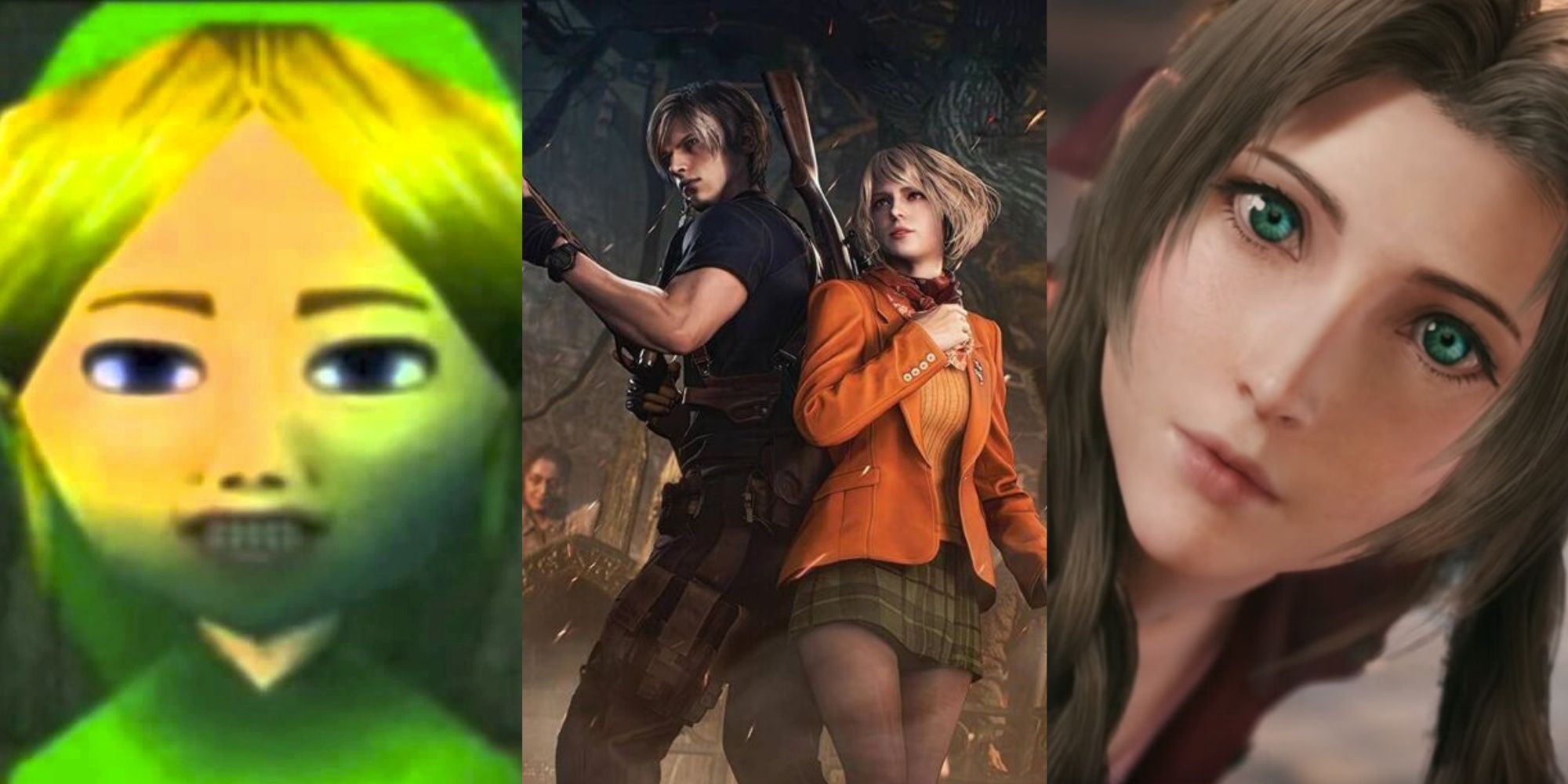
The Legend of Zelda: Majora’s Mask is a goldmine for fan theories, but the most haunting one suggests that Link is actually dead throughout the game.
- The Theory: The game’s eerie atmosphere, symbolic characters, and themes of loss and acceptance hint that Link is in purgatory, coming to terms with his own death.
- Evidence: The moon’s impending doom and the five stages of grief represented by the game’s areas support this idea.
- Community Impact: This theory has inspired countless YouTube videos and essays, cementing Majora’s Mask as one of the most analyzed games in history.
3. The Dark Souls Universe is a Time Loop
FromSoftware’s Dark Souls series is known for its cryptic storytelling, leading to the theory that the entire universe is stuck in a time loop.
- The Theory: The cyclical nature of the game’s endings, where players either link the fire or usher in an age of darkness, suggests that history repeats itself endlessly.
- Evidence: NPC dialogue, item descriptions, and environmental storytelling all hint at a recurring cycle of rise and fall.
- Expert Insight: Hidetaka Miyazaki, the creator of Dark Souls, has acknowledged that the game’s lore is intentionally vague, encouraging players to interpret it themselves.
4. The Pokémon World is Post-Apocalyptic
The colorful world of Pokémon might not be as cheerful as it seems.
- The Theory: The absence of adults, the abundance of abandoned buildings, and the reliance on Pokémon for survival suggest that the world has undergone a catastrophic event.
- Evidence: The Pokédex entries, which often describe terrifying abilities and behaviors, add weight to this theory.
- Community Reaction: This theory has sparked debates about the darker side of Pokémon, with fans creating fan art and stories exploring this post-apocalyptic vision.

5. The Elder Scrolls Universe is a Dream
The expansive world of The Elder Scrolls might all be a dream, according to one mind-bending theory.
- The Theory: The Godhead, a deity mentioned in The Elder Scrolls lore, is dreaming the entire universe into existence. All characters and events are part of this dream.
- Evidence: The concept of CHIM, a state of enlightenment in the lore, supports the idea that the world is a construct of the Godhead’s mind.
- Expert Opinion: Ted Peterson, a writer for The Elder Scrolls, has hinted that the lore is intentionally metaphysical, leaving room for such interpretations.
How Fan Theories Shape Gaming Culture
Fan theories do more than entertain—they foster a sense of community and keep games alive. Platforms like Reddit, YouTube, and Twitter are hubs for these discussions, where players share their interpretations and challenge each other’s ideas.
- Engagement: Theories encourage players to revisit games, uncovering details they might have missed.
- Creativity: They inspire fan art, fan fiction, and even mods that explore alternate storylines.
- Developer Interaction: Some developers, like Hideo Kojima (Metal Gear Solid), actively engage with fan theories, adding to the excitement.
Actionable Insights for Gamers
- Dig Deeper: Pay attention to environmental details, item descriptions, and NPC dialogue—they often hold clues.
- Join Communities: Platforms like Reddit’s r/FanTheories and Discord servers are great for discussing and refining theories.
- Think Outside the Box: Don’t be afraid to challenge conventional interpretations of game lore.
Q1. What makes a good fan theory?
A good fan theory is grounded in evidence from the game, such as dialogue, environmental clues, or lore. It should also be plausible and add depth to the story.
Q2. Do developers ever confirm fan theories?
Sometimes! Developers like Hideo Kojima and FromSoftware have acknowledged fan theories, though they often leave them open to interpretation.
Q3. Why are fan theories so popular?
They allow players to engage with games on a deeper level, fostering creativity and community discussion.
Q4. Can fan theories influence future games?
Yes! Developers sometimes take inspiration from popular theories, incorporating them into sequels or DLCs.
Conclusion
Fan theories are a testament to the power of storytelling in video games. They transform passive play into active engagement, inviting players to explore, question, and reinterpret their favorite titles. Whether you believe Mario is a sociopath or Link is trapped in purgatory, these theories remind us that games are more than just entertainment—they’re canvases for imagination.
So, the next time you boot up your favorite game, keep an eye out for those hidden details. Who knows? You might just uncover the next big theory.