
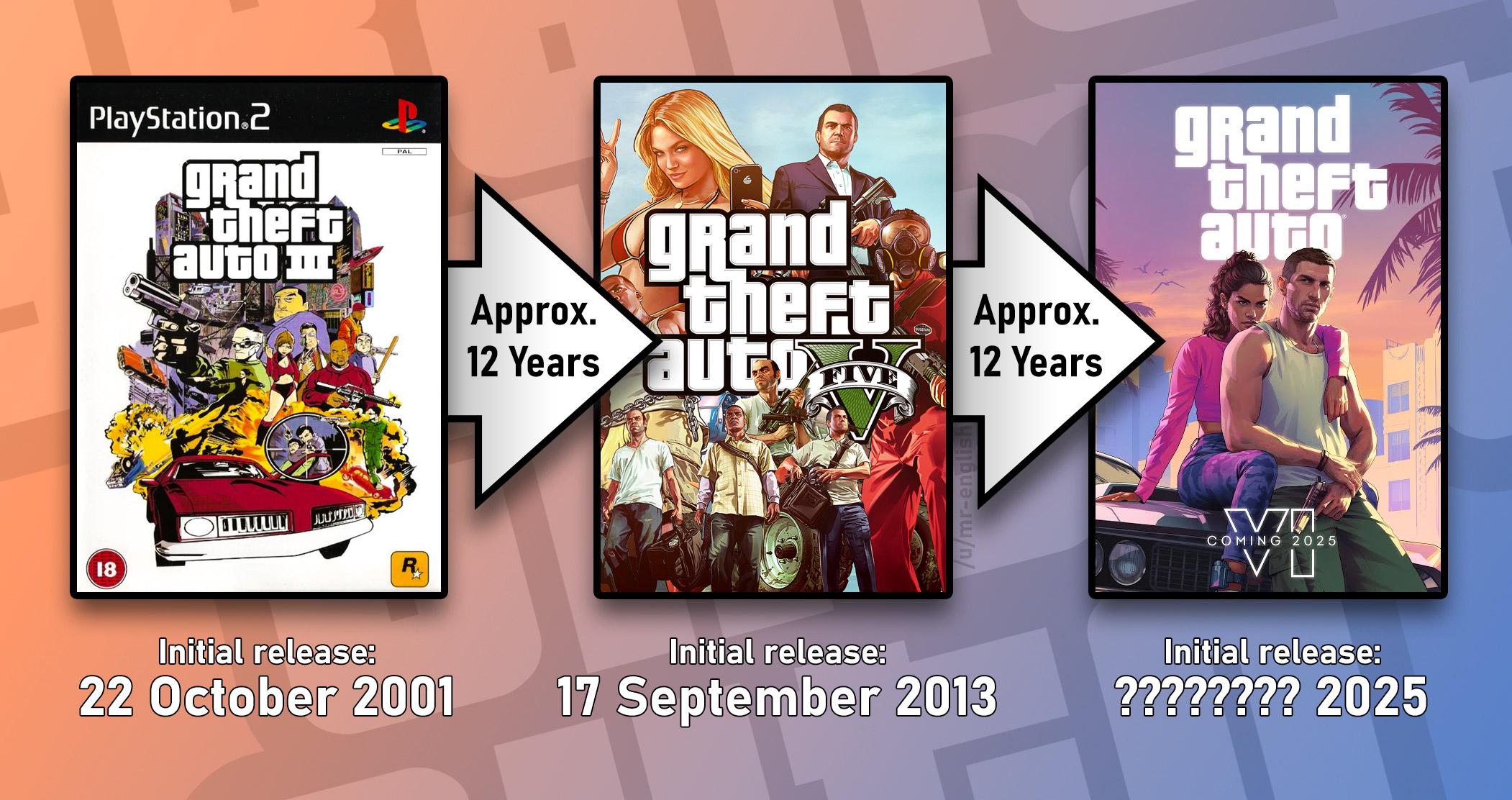

The Grand Theft Auto (GTA) series by Rockstar Games has been a cornerstone of open-world gaming for over two decades. Among its many entries, GTA San Andreas and the upcoming GTA 6 stand out as significant milestones, representing different eras of gaming technology, storytelling, and player expectations. Comparing these two titles offers insight into how the franchise has evolved from its early days to its future ambitions.
The Era and Context of GTA San Andreas (2004)
Table of Contents
GTA San Andreas, released in 2004 for PlayStation 2, is often regarded as one of the greatest open-world games of all time. It was developed during a period when gaming technology was rapidly advancing but still limited compared to today. The game was set in a fictionalized California and Nevada, capturing the essence of the early 1990s with a mix of urban decay, gang culture, and the rise of hip-hop.
Technical Limitations and Innovation
At the time, San Andreas pushed the boundaries of what was possible on the PlayStation 2. Its massive map, roughly three times larger than GTA III and Vice City, was a technical marvel. The game featured detailed character customization, a vast array of vehicles, and a complex storyline involving crime, loyalty, and personal redemption.
However, due to hardware limitations, the game had to compromise on graphics and AI complexity. The graphics were relatively simple, with blocky textures and limited animation, but the game’s depth compensated for this. The game world was alive with radio stations, side missions, and a dynamic day-night cycle, which created an immersive experience.
Gameplay and Narrative
GTA San Andreas introduced RPG-like elements, such as stat management, character customization, and skill progression. The story followed Carl “CJ” Johnson, returning home after his mother’s murder, navigating gang wars, corrupt cops, and personal growth. Its narrative was darker and more mature than earlier entries, exploring themes of loyalty, betrayal, and societal decay.
Cultural Impact
San Andreas became a cultural phenomenon, thanks to its controversial content, detailed open world, and memorable soundtrack. It set new standards for sandbox gameplay and influenced countless open-world titles that followed.
The Era and Context of GTA 6 (Expected Release)
GTA 6 is anticipated to be released in the near future, representing the next chapter in the series. Although detailed information remains under wraps, Rockstar Games has confirmed the project’s existence and hinted at ambitious innovations. The gaming landscape has changed dramatically since San Andreas, with advancements in hardware, online gaming, and storytelling.
Technological Advancements
Compared to San Andreas, GTA 6 is expected to leverage the power of current-generation consoles like the PlayStation 5 and Xbox Series X/S, along with high-end PCs. This allows for breathtaking graphics, realistic physics, and complex AI systems. The anticipated game will likely feature a highly detailed, seamless open world with dynamic weather, day-night cycles, and improved environmental interactions.
Moreover, the integration of advanced rendering techniques such as ray tracing will enhance realism, from reflections on vehicles to natural lighting. The game may also utilize faster load times thanks to SSDs, allowing for more immersive and uninterrupted gameplay.
Online and Social Features
Building on GTA Online’s success, GTA 6 is expected to have a robust online component, possibly expanding multiplayer features with persistent worlds, player economies, and social events. The online experience will probably be deeply integrated into the single-player campaign, creating a seamless transition between solo and multiplayer modes.
Narrative and Setting
While Rockstar has kept details secret, rumors suggest GTA 6 will feature multiple protagonists, possibly inspired by modern narratives emphasizing diverse perspectives. The setting is rumored to be a fictionalized version of Vice City (a remade Miami), with potential expansions to other locations, reflecting a broader scope.
Then vs Now: Technological and Design Evolution
Graphics and Presentation
GTA San Andreas represented the pinnacle of its time, with blocky textures and simplified models. Its graphics were functional, prioritizing a vast playable area over visual fidelity. In contrast, GTA 6 is expected to showcase cutting-edge visuals, realistic character models, and cinematic presentation, elevating the storytelling experience.
World Size and Detail
San Andreas boasted a large but somewhat simplified world, filled with activities and side missions. Modern expectations for open worlds involve not just size but density and interactivity. GTA 6 is anticipated to feature a richly detailed world with living ecosystems, reactive NPCs, and dynamic events, blurring the line between scripted sequences and emergent gameplay.
Gameplay Mechanics
San Andreas introduced RPG elements and character customization, which were innovative at the time. Today, players expect complex mechanics such as realistic driving physics, AI-driven NPC interactions, and immersive activities. GTA 6 will likely build upon these, incorporating more refined mechanics, first-person options, and perhaps even VR support.
Storytelling and Narrative Depth
While San Andreas’ narrative was gritty and grounded, the storytelling style has evolved. Modern games focus on nuanced characters, moral ambiguity, and cinematic storytelling. GTA 6 is expected to push these boundaries further, with deeper character development and more engaging narratives.

Cultural Reflection and Impact
GTA San Andreas mirrored its era, capturing the social issues of the early 1990s, including gang violence, police brutality, and economic disparity. Its portrayal of American culture, music, and slang made it a mirror to its time, albeit controversial.
GTA 6 will likely reflect contemporary societal issues, possibly exploring themes like digital culture, social media influence, and global politics. The franchise has historically been provocative, and its next iteration will probably continue to challenge societal norms and provoke discussion.
Player Expectations and Community Reception
GTA San Andreas was revolutionary, setting the bar for open-world gaming. Its success was driven by its expansive world, engaging gameplay, and cultural relevance. It also faced criticism for its mature content and controversies surrounding violence and explicit material.
GTA 6 faces high expectations from a dedicated fanbase and the gaming community. Players anticipate not only technological marvels but also meaningful storytelling, innovative multiplayer experiences, and a reflection of modern society. Rockstar’s reputation for quality and innovation means the game is under immense scrutiny.
Conclusion: Then vs Now
The evolution from GTA San Andreas to GTA 6 exemplifies the rapid technological progress and shifting cultural landscapes of gaming. San Andreas was groundbreaking in its time, pushing the limits of what was possible on early 2000s hardware and setting standards for open-world design and storytelling.
Today, with the power of modern consoles and PCs, GTA 6 promises to deliver an unprecedented level of realism, immersion, and narrative depth. It will likely build upon the foundations laid by San Andreas but elevate them through technological innovation and a deeper understanding of contemporary societal themes.
While San Andreas remains a beloved classic, representing a nostalgic era of gaming, GTA 6 symbolizes the franchise’s continued commitment to pushing boundaries and redefining open-world experiences. The journey from then to now underscores not just technological advancements but also the maturation of storytelling and player engagement in the gaming industry.