
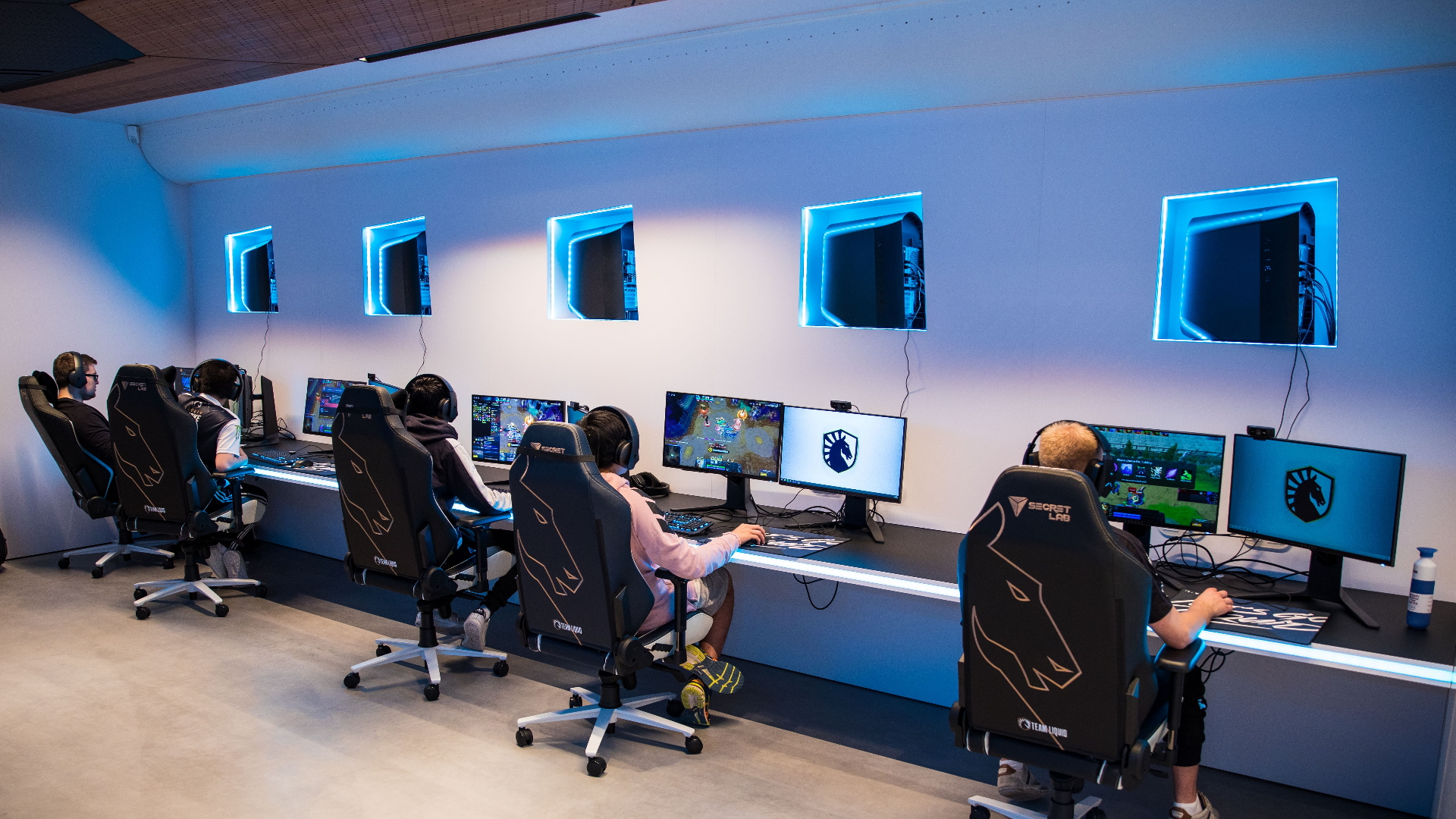

In recent years, esports has transformed from a niche hobby into a global phenomenon, rivaling traditional sports in popularity, viewership, and revenue. Behind the flashing screens, rapid-fire clicks, and high-stakes competitions lies a rigorous training regimen that mirrors, and in some respects surpasses, that of conventional athletes. Pro gamers dedicate countless hours to honing their skills, maintaining their physical health, and developing mental resilience. This comprehensive approach ensures they stay competitive in a demanding and fast-paced environment. So, what does it really take to become a top-tier esports athlete? Let’s delve into the detailed training routines, discipline, and mindset that define the life of a professional gamer.
The Foundation: Skill Development and Practice
Table of Contents
At the core of any esports training regimen is deliberate practice focused on skill mastery. Whether it’s aiming in first-person shooters like Counter-Strike or Valorant, strategic decision-making in League of Legends, or precise timing in Fighting Games, players work extensively to refine their technical abilities.
1. Individual Drills and Repetition
Pro gamers often spend several hours daily on specific drills designed to improve reaction time, accuracy, and game-specific mechanics. For example, a CS:GO player might focus on aiming exercises using tools like Aim Lab or Kovaak’s to sharpen reflexes. Repeating key in-game actions—such as flick shots, grenade throws, or combo executions—helps ingrain these skills into muscle memory, reducing the cognitive load during matches.
2. Meta Study and Strategy Practice
Beyond raw mechanics, understanding game meta—current optimal strategies, character picks, and map control—is crucial. Pro players analyze professional matches, review their own gameplay, and simulate scenarios to develop strategic adaptability. This involves practicing specific tactics repeatedly until they become instinctive.
3. Scrims and Match Play
Practicing in real-game situations is essential. Esports teams schedule scrimmages, often against other professional or semi-professional teams, to simulate tournament conditions. These sessions are used to refine team coordination, communication, and strategic execution under pressure. Many players dedicate several hours daily to these practice matches, often adjusting strategies based on opponent tendencies.
Physical Fitness: The Athlete’s Body Matters
While esports is primarily a mental sport, physical health plays a vital role in sustaining performance over long hours. Recognizing this, many professional gamers incorporate physical fitness into their routines.
1. Exercise and Movement
Strengthening core muscles, improving posture, and enhancing overall fitness help reduce fatigue and prevent injuries such as carpal tunnel syndrome, tendinitis, and back pain. Players often engage in cardiovascular exercises like running, cycling, or swimming to boost stamina. Yoga and stretching routines are popular for increasing flexibility and alleviating tension accumulated from hours of sitting.
2. Eye Health and Vision Training
Given the importance of visual acuity, players often perform eye exercises to reduce strain, improve focus, and enhance peripheral vision. Techniques include focusing on distant objects, blinking exercises, and using specialized glasses to filter blue light and reduce eye fatigue.
3. Ergonomics and Equipment
Pro gamers invest in ergonomic chairs, adjustable desks, and high-quality peripherals—mechanical keyboards, gaming mice, and monitors with high refresh rates—to optimize comfort and responsiveness. Proper setup minimizes strain and supports sustained performance.
Mental Conditioning: The Mind’s Edge
Success in esports requires exceptional mental resilience. The pressure of tournaments, the need for quick decision-making, and the constant demand for high concentration necessitate mental training strategies.
1. Focus and Concentration Drills
Players often practice mindfulness meditation, breathing exercises, and visualization techniques to enhance focus and manage stress. Regular mindfulness sessions help maintain calmness during high-stakes matches and reduce performance anxiety.
2. Cognitive Skills Training
Some pros utilize brain-training apps and exercises designed to improve reaction speed, working memory, and decision-making. Additionally, they analyze game data and review footage to identify mental lapses or errors, then work consciously to address them.
3. Stress Management and Routine
Maintaining a consistent routine—regular sleep schedules, balanced diet, and scheduled breaks—is vital. Many teams employ sports psychologists to teach coping strategies, build mental stamina, and foster teamwork.
Nutrition and Hydration: Fueling Peak Performance
Just as a traditional athlete needs the right fuel, pro gamers pay close attention to their diet to maximize alertness and stamina.
1. Balanced Diet
Nutritionists recommend meals rich in complex carbohydrates, lean proteins, healthy fats, and ample fruits and vegetables. Carbohydrates provide sustained energy, while proteins support muscle repair and brain function.
2. Hydration
Dehydration can impair concentration and reaction time. Players habitually carry water bottles and avoid excessive caffeine or sugary drinks, which can lead to crashes or jitters.
3. Supplementation
Some esports athletes incorporate supplements like omega-3 fatty acids, vitamins, and nootropics (cognitive enhancers) under medical supervision to support brain health.
Rest and Recovery: The Unsung Pillars
Despite the intense focus on practice, rest is critical. Sleep, in particular, affects memory consolidation, reaction times, and overall mental health.
1. Sleep Hygiene
Pro gamers prioritize 7-9 hours of quality sleep, establishing routines that promote restful sleep—limiting screen time before bed, maintaining a cool and dark environment, and avoiding stimulants late in the day.
2. Scheduled Breaks
During long practice sessions, players follow the 20-20-20 rule—every 20 minutes, look at something 20 feet away for 20 seconds—to reduce eye strain. Short breaks also help prevent burnout and physical discomfort.
3. Physical Therapy and Massage
Some athletes engage in physiotherapy, massage, or chiropractic care to prevent injuries and maintain mobility, especially given the repetitive nature of gaming motions.
 Team Dynamics and Communication
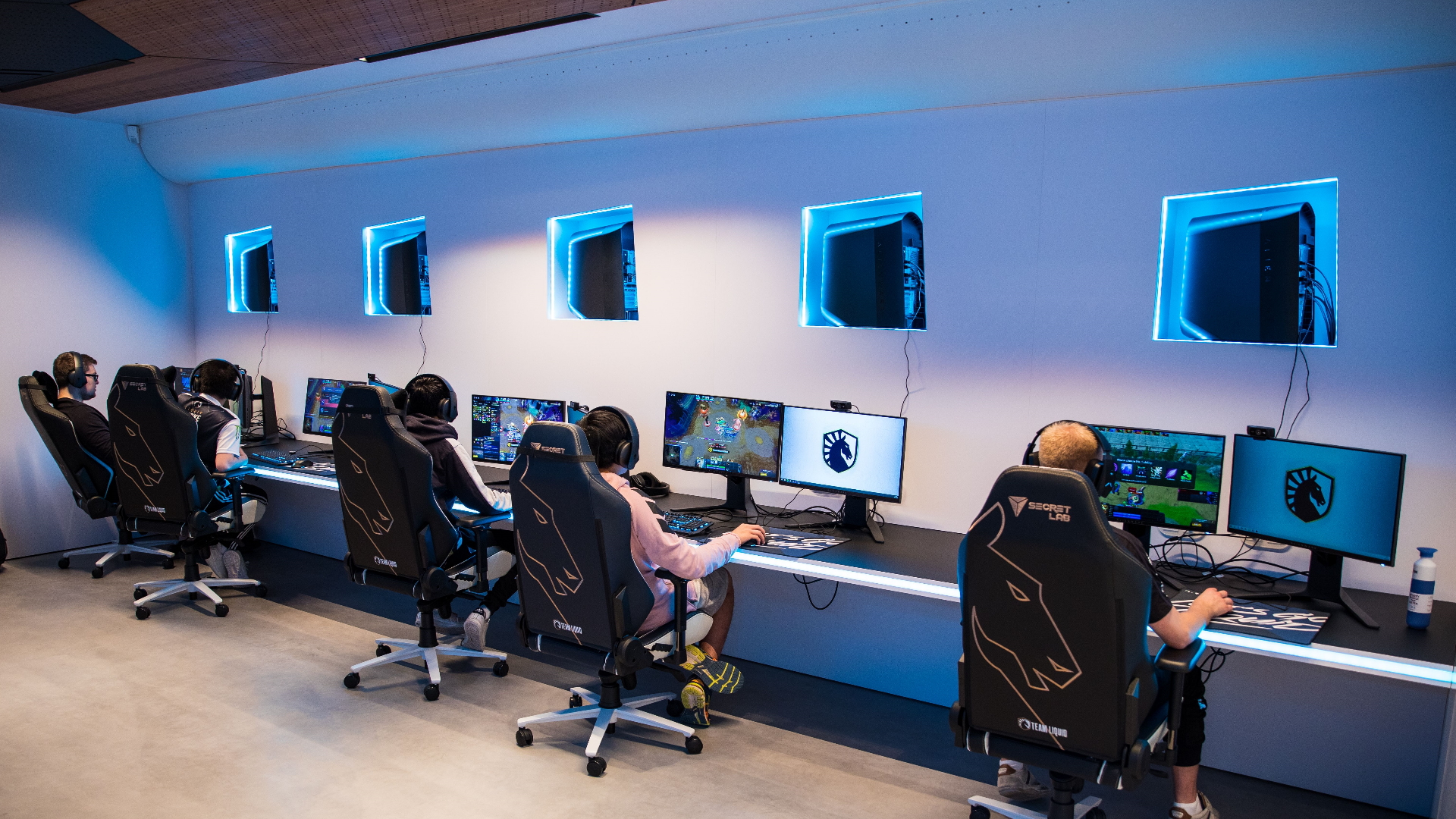
In team-based esports, training extends beyond individual skills to fostering effective communication and teamwork.
1. Team Practices
Teams hold daily meetings, strategy sessions, and synchronized drills to improve coordination. They practice executing set plays, adapt to different opponents, and develop trust.
2. Role Specialization
Players often specialize in specific roles—such as in-game shot-caller, lurker, or support—requiring tailored training to excel in their designated functions.
3. Conflict Resolution and Cohesion
Psychological coaching helps team members navigate conflicts, build camaraderie, and maintain a positive environment—factors that significantly influence performance.
The Evolving Nature of Training
Esports training is continually evolving with technological advances and scientific research. Virtual reality (VR), neurofeedback devices, and data analytics are increasingly integrated into training regimens. Teams employ sophisticated software to analyze gameplay, track progress, and identify areas for improvement.
Furthermore, many professional organizations now hire dedicated coaches—covering gameplay, mental health, nutrition, and physical fitness—highlighting the comprehensive approach required to succeed.
Conclusion: The Pro Gamer’s Balancing Act
Becoming a top esports athlete demands more than raw talent; it requires a disciplined, multifaceted training regimen that encompasses technical skills, physical health, mental resilience, nutrition, and team dynamics. The lifestyle of a pro gamer is akin to that of traditional athletes—marked by meticulous routines, ongoing education, and a relentless pursuit of excellence.
As esports continues to grow, so too does the professionalism surrounding player development. Future generations of gamers will likely see even more sophisticated training methods, integrating cutting-edge technology and scientific insights. For now, the inside look at a pro gamer’s regimen reveals a world where mental agility, physical health, and strategic mastery converge to create the champions of tomorrow.