
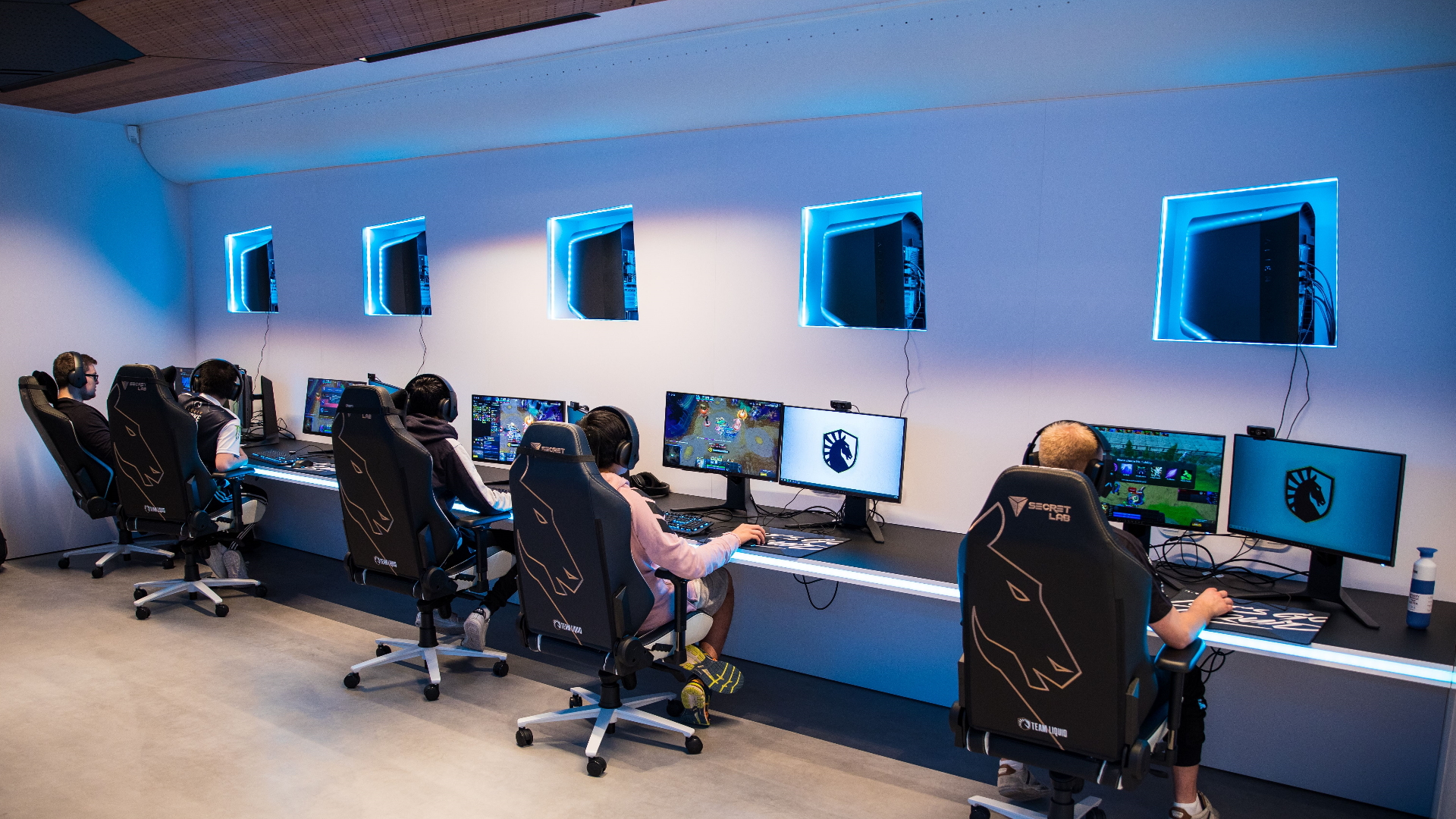

The landscape of game development is undergoing a transformative shift, driven by the rapid advancements in artificial intelligence (AI). Once primarily used for simple NPC behaviors or procedural content generation, AI now permeates every facet of the game development pipeline, from conceptualization to post-launch support. As technology evolves, AI’s role in shaping immersive, dynamic, and personalized gaming experiences becomes increasingly profound. This essay explores the multifaceted ways AI is revolutionizing game development, the benefits and challenges it presents, and what the future holds for the industry.
1. AI in Game Design and Conceptualization
Table of Contents
Traditionally, game design involved human creativity, iterative testing, and a significant amount of trial and error. However, AI tools are now augmenting this process, enabling designers to generate ideas, narratives, and worlds more efficiently. Generative AI models, such as GPT-4 or similar, can produce storylines, dialogue options, and even entire scripts, providing designers with a rich starting point or inspiration. For instance, AI can help craft complex branching narratives, ensuring a variety of player choices with meaningful consequences, all while reducing development time.
Additionally, AI-powered procedural content generation (PCG) allows developers to create vast, detailed worlds without manually designing every element. Games like No Man’s Sky and Minecraft have already demonstrated how algorithms can generate expansive environments, but future advancements will see AI creating more nuanced and context-aware content, such as dynamic ecosystems, culturally diverse architectures, and intricate questlines, tailored to player preferences.
2. Enhancing Non-Player Character (NPC) Behavior
NPCs have historically been scripted with predetermined behaviors, often leading to predictable and repetitive interactions. AI has dramatically elevated NPC capabilities, enabling them to exhibit more realistic, adaptable, and context-sensitive behaviors. Machine learning algorithms can analyze player actions and adjust NPC responses in real-time, creating a more immersive experience.
For example, AI-driven NPCs can learn from player tactics, adapt their strategies, and develop unique personalities, making encounters more challenging and engaging. This dynamic behavior is particularly valuable in open-world games, RPGs, and multiplayer environments, where unpredictability enhances replayability. Companies like Ubisoft and Naughty Dog are exploring AI techniques to develop smarter allies and foes, resulting in richer storytelling and gameplay depth.
3. Personalization and Player Experience
One of AI’s most promising contributions to game development is personalized gaming experiences. By analyzing player data—such as playstyle, preferences, and in-game decisions—AI can tailor content to individual players. This customization can manifest as adaptive difficulty levels, customized story paths, or personalized in-game recommendations.
For instance, AI algorithms can modify enemy difficulty on the fly, ensuring a balanced challenge that keeps players engaged without causing frustration. Similarly, AI-driven recommendation systems can suggest new game modes, side quests, or in-game purchases aligned with player interests, thus increasing player retention and monetization.
Furthermore, AI can facilitate personalized narrative experiences, where stories evolve dynamically based on player choices and behavior, creating unique, one-of-a-kind stories for each player. This level of personalization enhances emotional engagement and fosters a deeper connection with the game world.
4. Streamlining Development Processes
AI is also revolutionizing the development pipeline itself. Automated testing and quality assurance (QA) are now more efficient thanks to AI-powered bots that can simulate thousands of gameplay scenarios, identify bugs, and predict potential issues before release. This reduces manual testing time and improves game stability.
Additionally, AI tools assist in asset creation, such as generating textures, models, and animations. Generative adversarial networks (GANs) can produce high-quality visuals quickly, freeing artists to focus on creative refinement rather than initial creation. AI-assisted level design tools can suggest layout improvements or populate environments intelligently, accelerating development cycles.
Moreover, AI-driven project management tools can optimize resource allocation, timeline predictions, and team workflows, leading to more efficient development cycles and better-quality games delivered on schedule.
5. Real-Time AI and Live Operations
Post-launch, AI continues to play a pivotal role through live operations and ongoing support. Dynamic event generation, real-time analytics, and player behavior prediction allow developers to adapt live games, balancing gameplay, and introducing new content seamlessly.
For example, AI can monitor player engagement metrics and trigger in-game events or updates that respond to current trends or player needs. This keeps the game fresh and relevant, enhancing longevity and community engagement.
In multiplayer games, AI can also help manage matchmaking, ensuring balanced and enjoyable matches by analyzing player skill levels and preferences. Such AI-driven live operations are critical for free-to-play models, where ongoing content and balance are essential for sustained revenue.
6. Ethical Considerations and Challenges
While AI offers numerous advantages, its integration into game development also raises ethical and practical challenges. Data privacy is a primary concern, as personalized experiences depend on collecting and analyzing vast amounts of player data. Developers must ensure transparency and obtain proper consent to avoid infringing on privacy rights.
Bias in AI algorithms can also lead to unintended consequences, such as reinforcing stereotypes or creating unfair gameplay experiences. Ensuring fairness and inclusivity requires careful design and ongoing oversight.
Moreover, reliance on AI tools may impact employment within the industry, potentially reducing opportunities for artists, writers, and designers. While AI can augment creative roles, there is an ongoing debate about the extent to which it might replace human input.
Finally, the complexity of AI systems can introduce unpredictability, making debugging and quality assurance more challenging. Balancing AI-driven innovation with stability and control remains a key concern for developers.
7. The Future of AI in Game Development
Looking ahead, AI’s influence on the future of game development is poised to grow exponentially. We can expect more sophisticated AI systems capable of creating fully autonomous game worlds, where environments, narratives, and character behaviors evolve seamlessly and unpredictably.
Advances in natural language processing will enable more natural and immersive conversations with NPCs, blurring the line between scripted dialogue and spontaneous interaction. AI-powered voice recognition and synthesis could allow players to communicate with game characters using natural speech, enhancing immersion.
Furthermore, the integration of AI with emerging technologies like virtual reality (VR) and augmented reality (AR) will open new frontiers for immersive storytelling, where AI adapts environments and narratives in real-time based on user interactions.
Procedural generation will become more context-aware, creating worlds that respond dynamically to player actions, making each playthrough unique and personalized. Additionally, AI-driven analytics will facilitate more effective community management, balancing player feedback with data-driven insights to shape future content.
On the creative front, AI might serve as a co-creator, collaborating with human developers to push the boundaries of storytelling, art, and gameplay mechanics. This symbiosis could lead to entirely new genres and innovative gaming experiences.

8. Conclusion
Artificial intelligence is fundamentally transforming the future of game development, making games more immersive, personalized, and efficient to produce. From enhancing NPC behavior and procedural content generation to streamlining workflows and enabling real-time adaptations, AI is expanding the creative and technical horizons of the industry.
While challenges related to ethics, privacy, and employment exist, responsible development and deployment of AI technologies hold the promise of elevating gaming to unprecedented levels of depth and engagement. As AI continues to evolve, the line between player and game designer may blur, ushering in an era where interactive entertainment becomes more dynamic, adaptive, and human-like than ever before.
In embracing AI, the game industry stands on the cusp of a new era—one where imagination is amplified by intelligent systems, and players are invited into worlds that are richer, more responsive, and uniquely their own.