
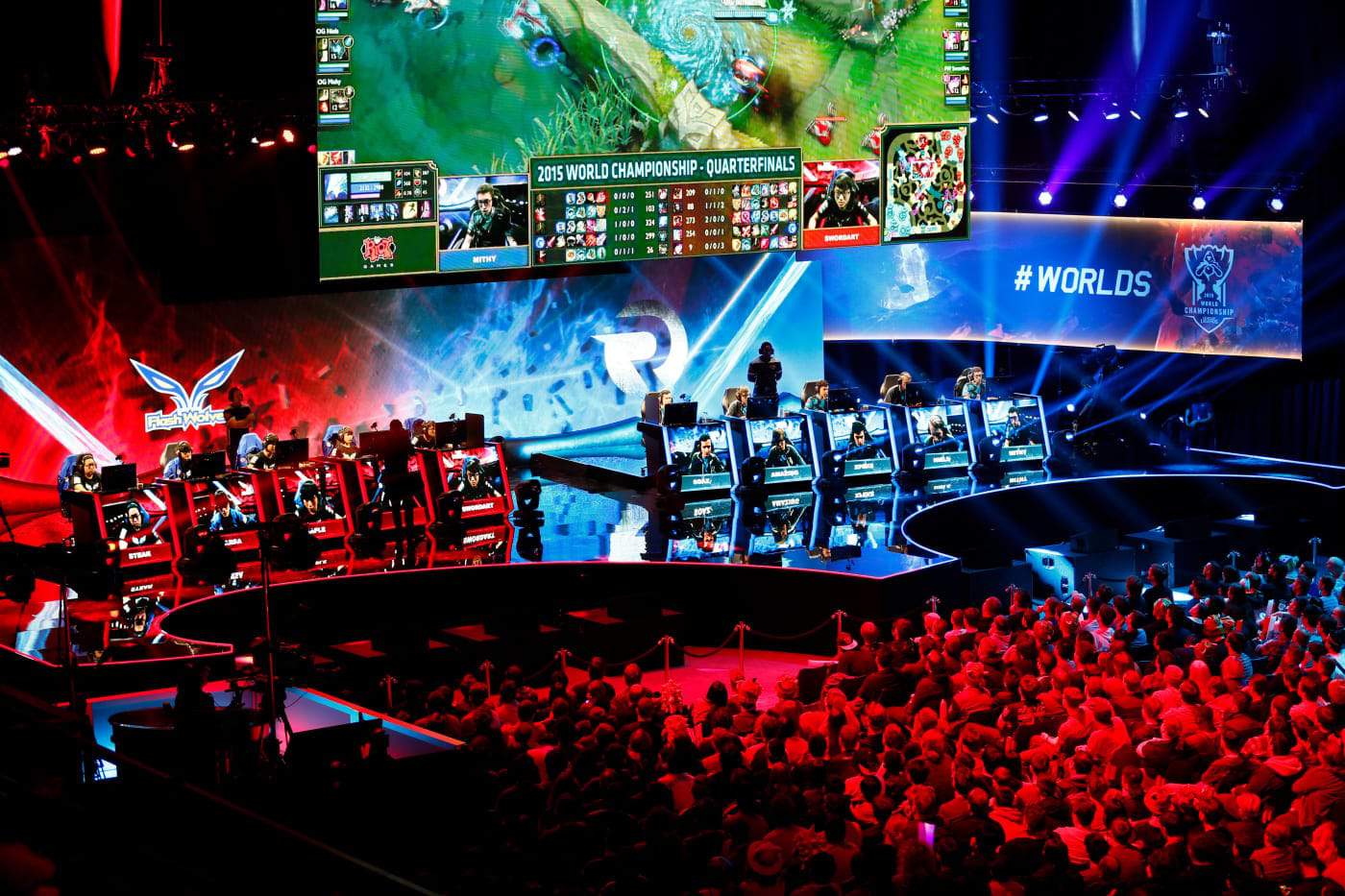

Competitive gaming, or esports, has exploded in popularity over the past decade. What was once a niche hobby is now a billion-dollar industry, with professional players, massive tournaments, and millions of fans worldwide. If you’ve ever dreamed of turning your gaming skills into a career or simply want to compete at a higher level, this guide will show you how to get started in competitive gaming.
Whether you’re a casual player looking to step up your game or a complete beginner, this article will provide actionable insights, expert advice, and real-world examples to help you navigate the exciting world of esports. Let’s dive in!

Why Competitive Gaming is Worth Your Time
Table of Contents
Before we get into the “how,” let’s talk about the “why.” Competitive gaming isn’t just about playing games—it’s about strategy, teamwork, and personal growth. Here’s why it’s worth considering:
- Lucrative Opportunities: The global esports market is projected to reach $1.87 billion by 2025, with top players earning millions in prize money and sponsorships.
- Skill Development: Competitive gaming sharpens critical thinking, reflexes, and problem-solving skills.
- Community: Join a global network of like-minded gamers who share your passion.
- Career Potential: Beyond playing, esports offers careers in coaching, streaming, content creation, and event management.
Step 1: Choose Your Game
The first step to getting started in competitive gaming is choosing the right game. Not all games are created equal when it comes to esports. Here’s how to pick the best one for you:
Popular Esports Titles in 2023
- League of Legends: A team-based MOBA with a massive competitive scene.
- Counter-Strike: Global Offensive (CS:GO): A tactical first-person shooter with a long history in esports.
- Dota 2: Known for its complex gameplay and record-breaking prize pools.
- Fortnite: A battle royale game that combines shooting and building mechanics.
- Valorant: A newer FPS that’s quickly gaining traction in the esports world.
Factors to Consider
- Your Interest: Choose a game you genuinely enjoy playing.
- Skill Ceiling: Some games require more practice to master than others.
- Community and Support: Look for games with active communities and plenty of learning resources.
Step 2: Master the Basics
Once you’ve chosen your game, it’s time to master the basics. Competitive gaming is all about consistency and precision. Here’s how to build a strong foundation:
Learn the Mechanics
- Spend time understanding the controls, mechanics, and objectives of your chosen game.
- Practice regularly to build muscle memory and improve your reflexes.
Study the Meta
- The “meta” refers to the most effective strategies and tactics currently used in the game.
- Watch professional players and analyze their gameplay to learn from the best.
Use Training Tools
- Many games offer training modes or custom maps to help you practice specific skills.
- Consider using third-party tools like aim trainers for shooters or replay analyzers for strategy games.
Step 3: Build Your Setup
A reliable gaming setup is essential for competitive gaming. While you don’t need the most expensive gear, investing in quality equipment can make a big difference.
Essential Gear for Competitive Gamers
- Gaming PC or Console: Ensure your system can run your chosen game smoothly.
- Monitor: A high-refresh-rate monitor (144Hz or higher) can give you a competitive edge.
- Peripherals: A responsive mouse, mechanical keyboard, and comfortable headset are must-haves.
- Internet Connection: A stable, low-latency connection is crucial for online play.
Optimize Your Environment
- Set up a comfortable, distraction-free gaming space.
- Adjust your chair, desk, and monitor height to avoid strain during long sessions.
Step 4: Join the Community
Competitive gaming is as much about community as it is about skill. Here’s how to connect with other players and grow your network:
Find a Team or Squad
- Many games have built-in systems for finding teammates, or you can join Discord servers and forums.
- Playing with a consistent group can improve your teamwork and communication skills.
Participate in Tournaments
- Start with small, local tournaments or online events to gain experience.
- Platforms like Battlefy and Toornament list upcoming competitions for various games.
Engage on Social Media
- Follow professional players, teams, and esports organizations on platforms like Twitter and Instagram.
- Share your progress, ask for advice, and connect with other gamers.
Step 5: Develop a Growth Mindset
Competitive gaming is a journey, not a destination. To succeed, you’ll need to embrace a growth mindset and continuously improve.
Set Goals
- Define clear, achievable goals for your gaming career.
- Track your progress and celebrate small victories along the way.
Learn from Mistakes
- Analyze your losses to identify areas for improvement.
- Don’t be afraid to ask for feedback from more experienced players.
Stay Consistent
- Practice regularly, but avoid burnout by taking breaks and maintaining a healthy balance.
- Consistency is key to long-term success in competitive gaming.
Real-World Examples of Success
To inspire you, here are a few examples of players who started from scratch and made it big in esports:
- Faker (Lee Sang-hyeok): Widely regarded as the greatest League of Legends player of all time, Faker began his career as a solo queue prodigy before joining T1 and winning multiple world championships.
- Ninja (Tyler Blevins): While primarily known as a streamer, Ninja’s success in Fortnite helped bring esports into the mainstream.
- s1mple (Oleksandr Kostyliev): One of the best CS:GO players in the world, s1mple’s dedication and skill have earned him numerous MVP awards.

Your Questions Answered
1. Do I need to be a pro gamer to compete?
No! Many tournaments cater to amateur players, and competing at any level can be a rewarding experience.
2. How much time should I dedicate to practice?
It depends on your goals, but most competitive players practice 4-6 hours daily. Balance is key to avoiding burnout.
3. Can I make money from competitive gaming?
Yes, through prize money, sponsorships, and streaming. However, it takes time and effort to reach that level.
4. What if I don’t have a high-end PC?
Many games are optimized to run on mid-range systems. Focus on improving your skills while saving for better equipment.
5. How do I deal with toxicity in gaming?
Mute toxic players, focus on your own performance, and surround yourself with positive, like-minded individuals.
Conclusion: Your Journey Starts Now
Competitive gaming is an exciting and rewarding pursuit, but it requires dedication, practice, and a willingness to learn. By choosing the right game, mastering the basics, building a strong setup, and connecting with the community, you can set yourself up for success.
Remember, every pro player started as a beginner. With the right mindset and consistent effort, you could be the next big name in esports. So, what are you waiting for? Grab your controller, fire up your PC, and start your competitive gaming journey today!