
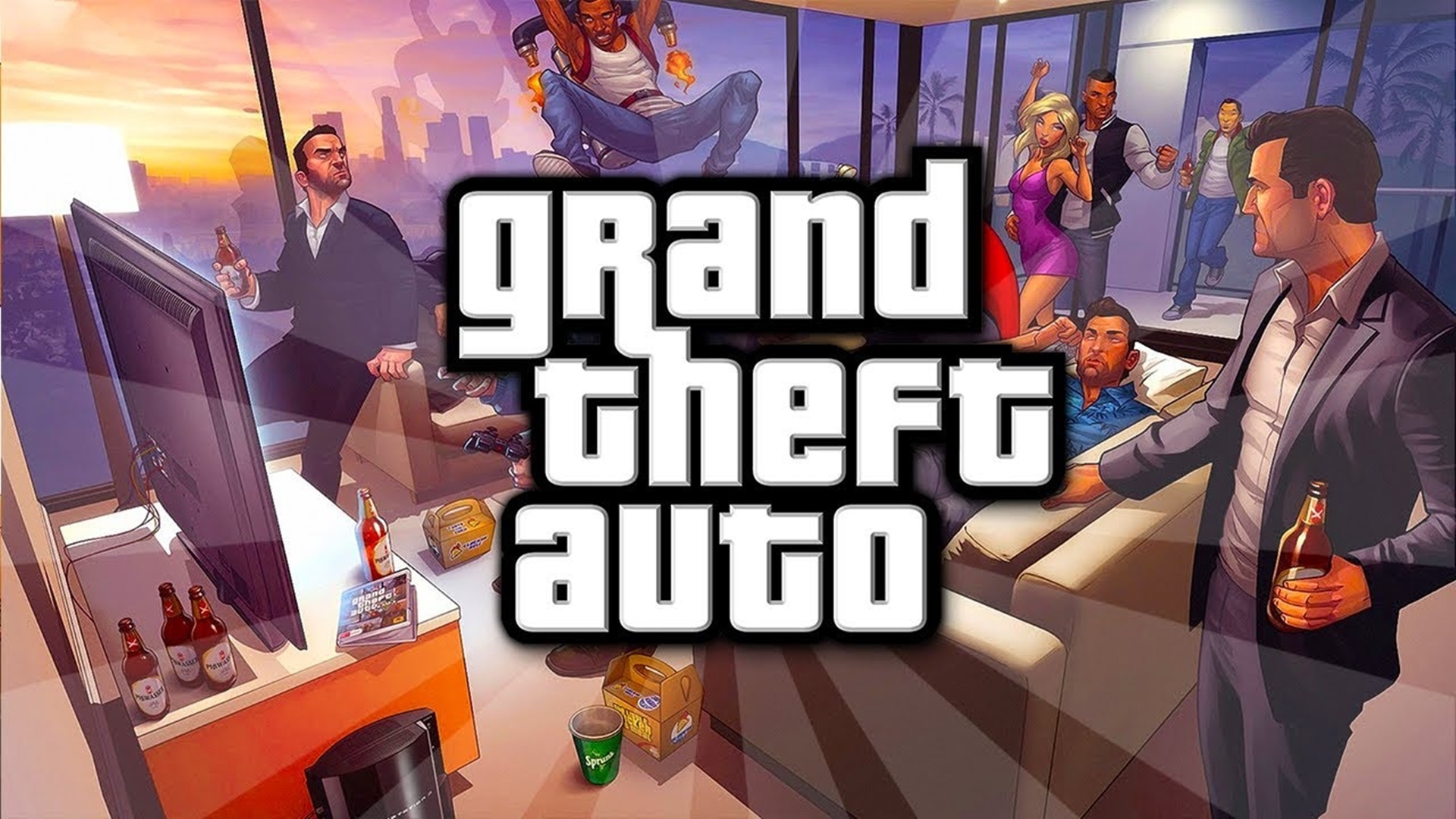

The Grand Theft Auto (GTA) universe is a sprawling, interconnected fictional world that spans multiple decades, cities, and storylines. Developed by Rockstar Games, the series is renowned for its open-world gameplay, satirical commentary, and intricate narratives involving crime, politics, and society. Understanding the timeline of the GTA universe requires examining the chronological order of events across its various titles, including mainline entries, expansions, and related media. This essay provides a comprehensive overview of the timeline, highlighting key events, characters, and developments that shape the universe.
Foundational Era: The Birth of the GTA Universe (Pre-1980s)
Table of Contents
While most of the GTA series is set from the 1960s onward, the universe’s origins trace back to the early 20th century, particularly with the founding of the city of Liberty City and other major locations. However, concrete timelines for these early periods are sparse, with most narratives beginning in the 1960s or later.
The 1960s – The Dawn of Crime and Corruption
The earliest significant events in the GTA universe often revolve around the rise of organized crime and the foundational figures who shape the cities.
- 1960s – The Rise of the Mafia and Crime Syndicates:
In Liberty City, the Italian-American Mafia begins consolidating power. Characters like Don Salvatore Leone (who appears prominently in later titles) and other crime families establish their influence. Similarly, in Los Santos (Los Angeles-based), street gangs start forming, setting the stage for future conflicts. - 1960s – The Beginning of the Los Santos Gangs:
The formation of gangs such as the Grove Street Families in Los Santos is implied to have roots in this era, though their prominence rises later.
The 1970s – The Growth of Organized Crime
This decade represents a period of expanding criminal enterprises and societal upheaval that influences the narratives of subsequent games.
- Liberty City and the 1970s:
The era sees the Mafia’s dominance in Liberty City, with characters like Salvatore Leone and the rise of rival factions. The city is depicted as a hub of corruption, drug trade, and political manipulation. - Los Santos and the Crack Epidemic:
The 1970s, while not directly depicted, serve as the backdrop for the socio-economic conditions leading to the rise of gangs in Los Santos, setting the stage for the events of Grand Theft Auto: San Andreas.
The 1980s – The Golden Age of Crime and the Rise of Subcultures
The 1980s are pivotal in shaping the modern GTA universe, marked by drug epidemics, technological changes, and cultural shifts.
- Liberty City – The 1980s:
The city is characterized by heightened gang violence, money laundering, and political corruption. This period is the setting for Grand Theft Auto III (set in 2001 but referencing events from earlier decades) and other media that depict Liberty City’s crime scene. - Los Santos in the 1980s:
The events of Grand Theft Auto: San Andreas are primarily set in 1992 but reflect decades of gang activity rooted in the 1980s. The rise of the Grove Street Families and the influence of crack cocaine are central themes. - Vice City (1986):
Grand Theft Auto: Vice City is set in the summer of 1986 and draws heavily from 1980s pop culture. It depicts the rise of drug lord Sonny Forelli and the criminal empire of Tommy Vercetti, showcasing the era’s flamboyance and excess.
The 1990s – Turmoil and Transition
This decade is essential for understanding the transition from the old-school crime syndicates to more modern organized crime.
- Vice City (1986):
The game’s events culminate in Tommy Vercetti establishing control over Vice City, consolidating his empire amidst rivalries and political corruption. - San Andreas (1992):
The protagonist Carl “CJ” Johnson returns home after his mother’s death, confronting gang rivalries, police corruption, and social decay in Los Santos. This period reflects the rise of street gangs and the crack epidemic’s impact. - Liberty City Stories and Vice City Stories:
These prequels explore the origins of key characters and factions, illustrating the evolving criminal landscape. - The 1990s and the Rise of the Federal Government:
The FBI and other agencies become more prominent in the series’ stories, targeting organized crime figures and corrupt officials, as seen in GTA IV.
The 2000s – Modern Crime and Political Intrigue
The early 21st century forms the backdrop for many of the mainline GTA titles, depicting a world where crime intersects with politics, technology, and globalization.
- Liberty City (2001):
Grand Theft Auto III is set in 2001 and introduces a fully realized 3D open world. The protagonist, Claude, navigates Liberty City’s underworld amidst corruption and betrayal. This era sees the emergence of more sophisticated criminal operations, including drug cartels and corporate crime. - Vice City (1986) – 2002:
The events of GTA Vice City occur in 1986 but influence GTA Vice City Stories and GTA Vice City itself, with the city evolving under the influence of new gangs, drug trade, and political corruption. - San Andreas (1992-1993):
GTA San Andreas is set primarily in 1992, depicting gang wars, police brutality, and economic decline. The game’s protagonist, CJ, seeks to restore his family’s honor and confronts systemic corruption. - Liberty City (2008):
GTA IV is set in 2008, portraying a more gritty, realistic depiction of crime, with protagonist Niko Bellic navigating the aftermath of the Yugoslav Wars, economic crises, and the decline of traditional crime syndicates.
The 2010s – The Modern Age of Crime
This period reflects the digital age, complex corporate influence, and the decline of traditional organized crime.
- Los Santos and Blaine County (2013):
GTA V, released in 2013 but set in 2013, explores the lives of three protagonists—Michael, Franklin, and Trevor—in a Los Santos plagued by corporate greed, government corruption, and technological crimes. The game depicts a society on the brink of chaos amid economic disparity. - The Rise of Cyber and Corporate Crime:
The series begins to incorporate themes of hacking, digital identity theft, and corporate espionage, reflecting real-world trends. - Expansion of the Universe:
The universe also expands through online multiplayer components (GTA Online), depicting ongoing criminal enterprises and societal changes in real-time.
The 2020s and Beyond – A Continuing Saga
While the mainline titles set the core of the universe, the timeline continues to evolve with ongoing online content and potential future entries.
- Future Horizons:
Rockstar Games has announced ongoing development and updates, indicating that the universe will continue to evolve, possibly exploring new eras, technologies, and societal issues. - Thematic Trends:
The future of the GTA universe likely involves further commentary on digital society, surveillance, and globalized crime networks.
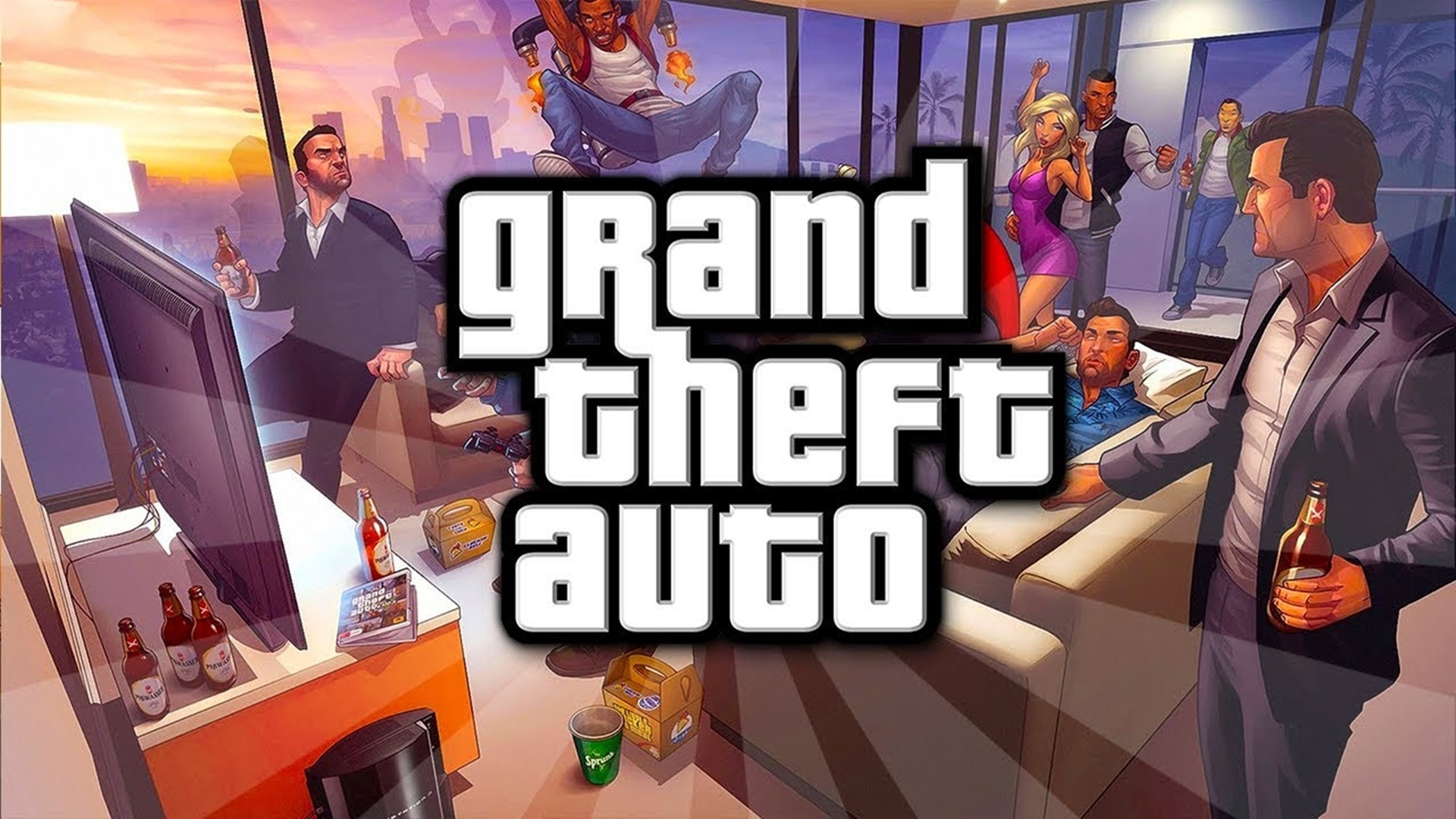
Key Characters and Their Chronology
Understanding the timeline also involves tracking major characters who influence different periods:
- Liberty City:
- Salvatore Leone (appears prominently from the 1960s onward)
- Claude (2001)
- Johnny Klebitz (mid-2000s)
- Niko Bellic (2008)
- Vice City:
- Sonny Forelli (1980s)
- Tommy Vercetti (1986)
- Los Santos:
- The Grove Street Families (1980s-1990s) onwards
- Trevor Philips (present day, 2010s)
- Michael De Santa and Franklin Clinton (2013)
Conclusion
The Grand Theft Auto universe is a richly layered fictional world that mirrors real-world history, societal changes, and cultural shifts. Its timeline spans from the early 20th century origins of organized crime to modern digital-era chaos, showcasing how crime, politics, and society intertwine across decades. Each game offers a snapshot of a particular era, contributing to an overarching narrative that reflects the evolution of crime and society in America and beyond.
By understanding this timeline, players and enthusiasts gain deeper insight into the interconnected stories, characters, and themes that make the GTA universe a compelling and enduring saga. As Rockstar continues to develop new titles and expand existing worlds, the timeline will undoubtedly grow, offering new chapters in this ongoing narrative of crime and chaos.