
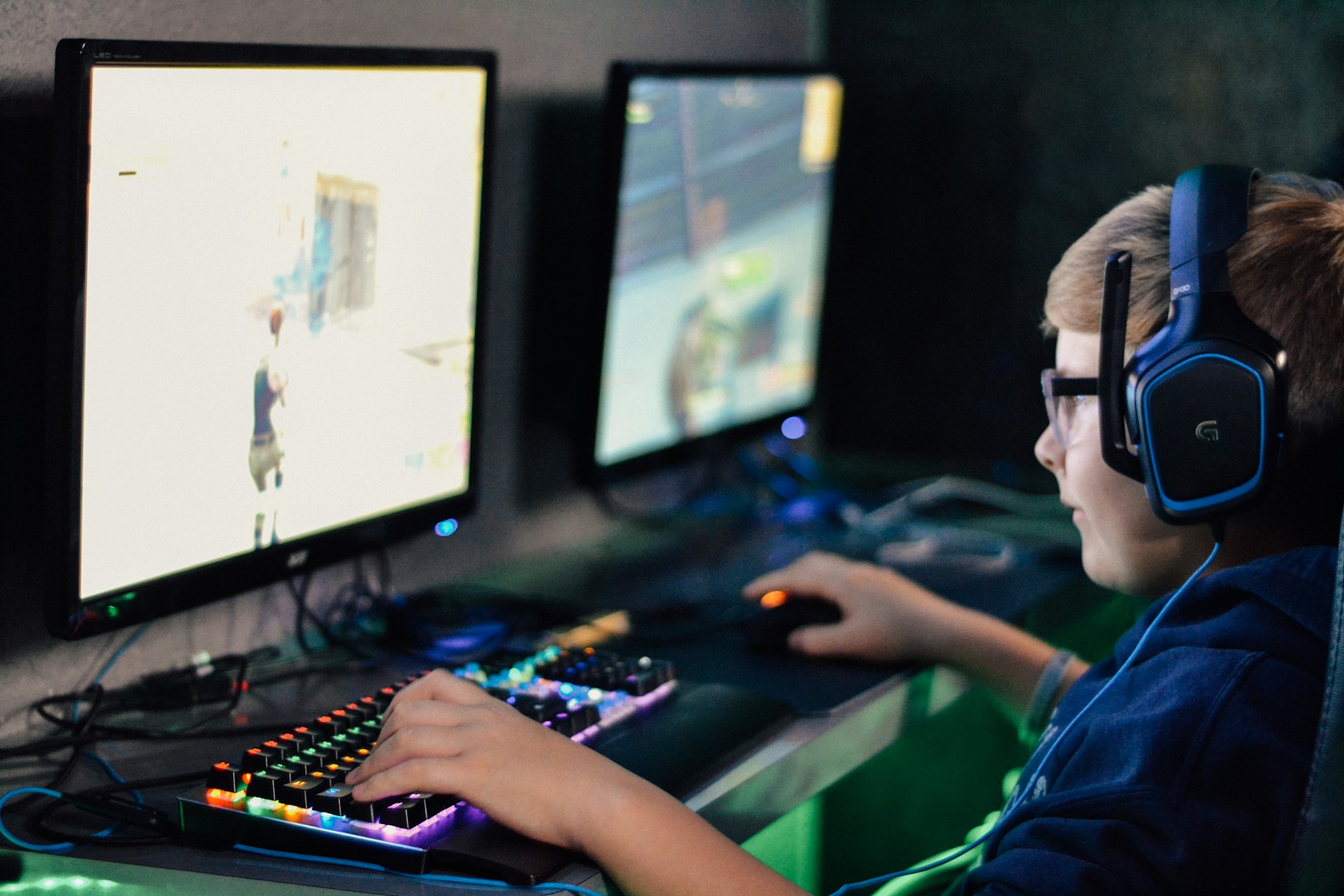

Understanding the Competitive FPS Landscape
Table of Contents
Before diving into specifics, it’s important to understand what makes a competitive FPS game different from casual play. Competitive FPS games emphasize precision, quick decision-making, strategic positioning, and seamless cooperation with teammates. Titles like Counter-Strike: Global Offensive, Valorant, Overwatch, and Rainbow Six Siege have dedicated esports scenes, showcasing the importance of skill, tactics, and teamwork.
For beginners, the goal isn’t just to get kills but to develop a well-rounded approach that combines mechanical skill (aim), game sense (strategy), and effective communication (teamplay).
1. Mastering Aim: The Foundation of Success
Why Aim Matters
In competitive FPS, accuracy is paramount. A well-placed shot can be the difference between winning or losing a duel. While game sense and strategy are crucial, your ability to aim reliably under pressure often determines your success.
Tips for Improving Aim
- Practice Regularly: Use aim trainers like KovaaKaa, Aim Lab, or in-game training modes. Consistent practice helps develop muscle memory, making aiming more instinctive.
- Adjust Your Settings: Find optimal sensitivity settings that balance precision and speed. Many pros prefer lower sensitivities for accuracy, but it’s vital to choose what feels comfortable for you.
- Focus on Crosshair Placement: Always keep your crosshair at head level and anticipate enemy positions. This reduces the movement needed to land shots and speeds up reactions.
- Use Proper Technique: Practice controlled flicks, tracking, and pre-aiming. These techniques help improve accuracy across different scenarios.
- Analyze and Learn: Record your gameplay to identify aiming mistakes. Watching replays can reveal habits that hinder your accuracy, allowing targeted improvements.
Patience and Persistence
Remember, improving aim isn’t instant. It takes dedicated practice and patience. Celebrate small victories along the way, and don’t get discouraged by setbacks. Every shot you land confidently is a step forward.
2. Developing Effective Strategy
Understanding the Importance of Game Sense
Strategy in competitive FPS involves positioning, map control, timing, and decision-making. A good player not only reacts quickly but also thinks ahead, predicting enemy moves and adapting accordingly.
Core Strategic Principles
- Map Awareness: Learn the layout, choke points, and common enemy routes. Knowing the maps inside out enables you to anticipate enemy movements and control crucial areas.
- Economy Management: In games like CS:GO and Valorant, managing in-game currency impacts your ability to buy weapons and utility. Smart economy decisions can give your team an edge.
- Timing and Rotations: Knowing when to push, hold, or rotate can turn the tide of a round. Use audio cues and visual information to make informed choices.
- Utility Usage: Proper deployment of grenades, smokes, and abilities can block enemy sightlines, flush out opponents, or secure bomb sites.
- Adaptability: Be flexible. If your initial plan isn’t working, adjust your tactics. Good strategists read the game and modify their approach dynamically.
Learning from Experience
Strategy isn’t just about memorizing tactics; it’s also about understanding your own strengths and weaknesses. Communicate with teammates to learn what works and what doesn’t. Sharing insights and experiences fosters growth and camaraderie.
3. Excelling at Teamplay
The Human Element
While individual skills are vital, competitive FPS is inherently a team activity. Success depends heavily on communication, coordination, and trust among teammates.
Building Effective Team Dynamics
- Clear Communication: Use concise callouts to inform teammates about enemy positions, your intentions, and your status. Avoid cluttering voice channels with unnecessary chatter.
- Coordinate Strategies: Plan approaches together, whether it’s executing a site take, defending, or rotating. Synchronization ensures your team acts as a cohesive unit.
- Support Each Other: Share utility, cover angles, and assist teammates in duels. Recognizing and leveraging each other’s strengths enhances overall team performance.
- Maintain a Positive Attitude: Competitive environments can be stressful. Encourage teammates, avoid blame, and focus on learning from mistakes.
- Practice Together: Regular team play helps develop chemistry and understanding. Even casual scrims or practice sessions can significantly improve coordination.
Empathy and Respect
Remember, behind every screen is a person. Respect your teammates and opponents alike. Good sportsmanship fosters a positive environment where everyone can learn and enjoy the game.
Combining Aim, Strategy, and Teamplay
Achieving success in competitive FPS isn’t about excelling in just one area; it’s about integrating aim, strategy, and teamplay into a seamless whole. For example, a well-coordinated push with utility, combined with precise aim and good positioning, can dominate a round.
Practical Example
Imagine you’re playing Valorant. Your team plans a split attack on a site. You use utility to block sightlines and create confusion, communicate your position and intentions clearly, and focus on maintaining good crosshair placement to win duels. This synergy of skills and teamwork maximizes your chance of success.
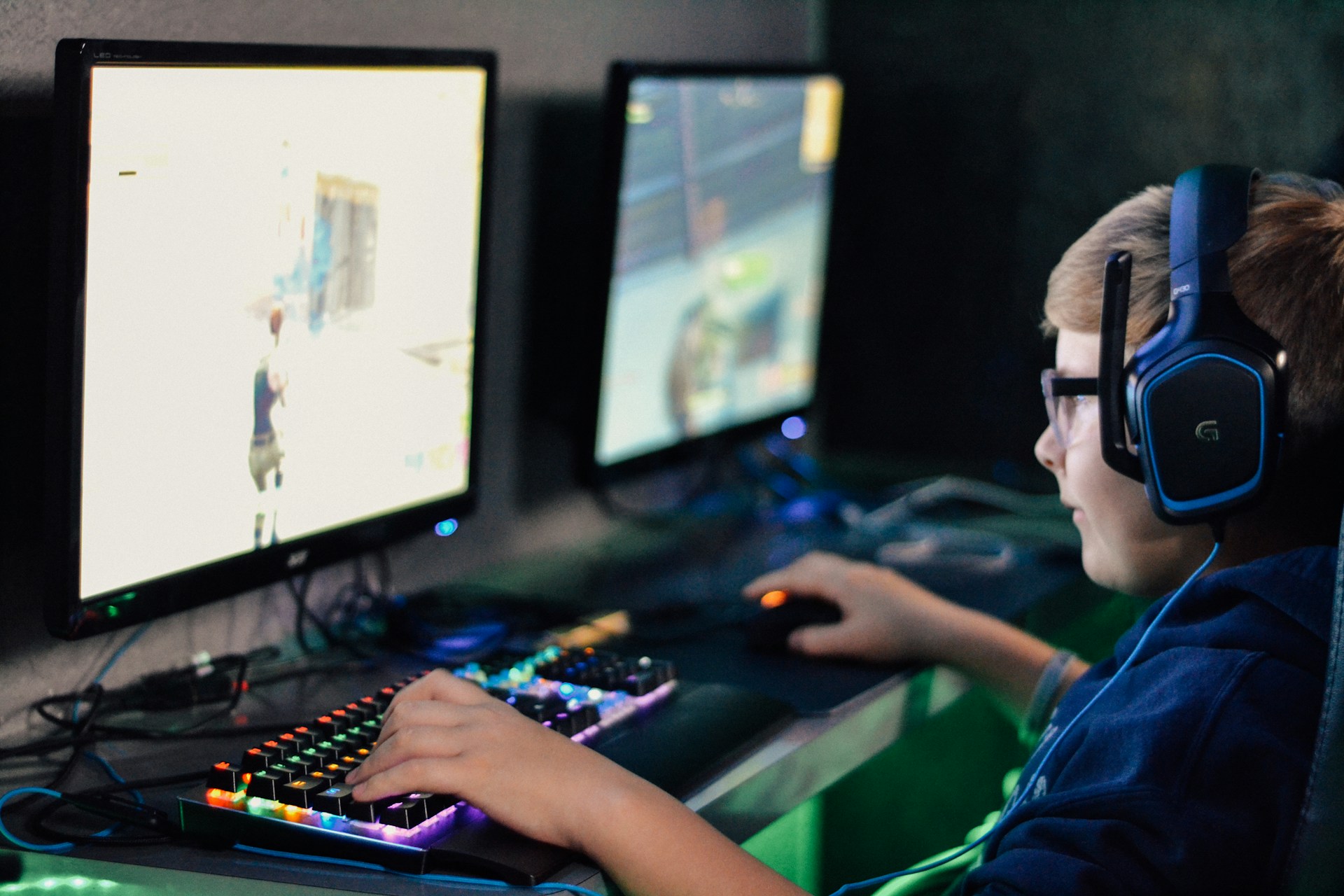
Developing a Competitive Mindset
Beyond technical skills, cultivating the right mindset is crucial. Be patient, stay humble, and always look to learn. Watching professional players can provide insights into advanced strategies and positioning, but remember, you’re on your own journey.
Tips for Building Mental Resilience
- Stay Calm Under Pressure: Practice breathing techniques or brief pauses during intense moments to maintain focus.
- Reflect on Your Gameplay: After matches, analyze what went well and what can improve. Keep a journal or notes to track progress.
- Set Realistic Goals: Focus on gradual improvement rather than immediate mastery. Celebrate small milestones.
Resources for Beginners
- Educational Content: YouTube channels like Wang Hoang, TheXclusiveAce, and SkillCapped offer tutorials and gameplay analysis.
- Community Engagement: Join forums, Discord servers, or local clubs to learn from others and find practice partners.
- Game-Specific Guides: Explore beginner guides tailored to your chosen FPS title for tailored tips.
Final Thoughts
Getting started in competitive FPS gaming can seem daunting, but with patience and consistent effort, you can develop the skills necessary to compete at higher levels. Focus on improving your aim through regular practice, develop sound strategies by understanding game mechanics and map layouts, and prioritize effective teamplay through communication and cooperation.
Remember, every expert was once a beginner. Embrace the learning process, stay motivated, and most importantly, enjoy the journey. The thrill of outsmarting opponents and working seamlessly with teammates is what makes competitive FPS gaming so rewarding.