
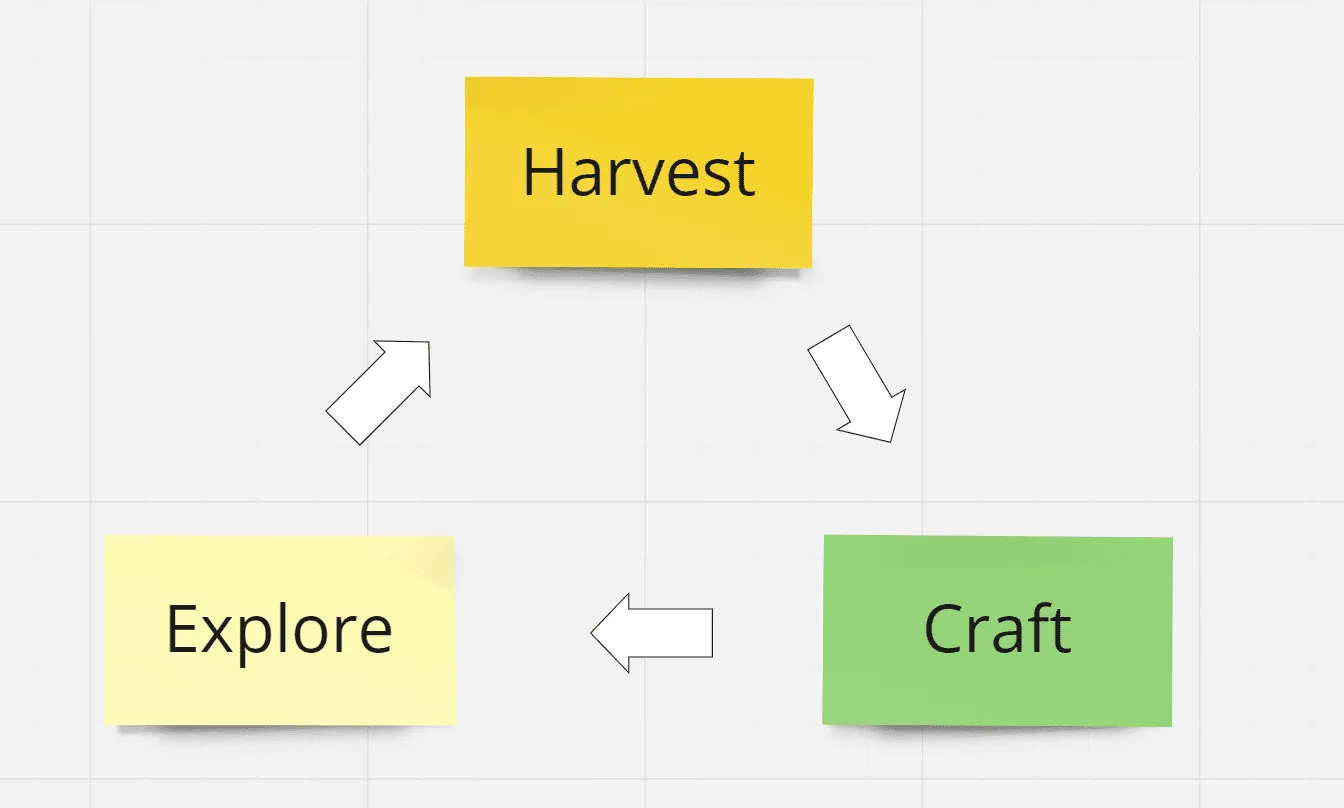

In the ever-growing and competitive world of video games, one term often defines the difference between a forgettable experience and a hit title: addictive core gameplay. Whether you’re developing a mobile puzzle game, an action-packed platformer, or a deep RPG, the core gameplay loop is what keeps players engaged, invested, and coming back for more.
This article explores the fundamentals of addictive core gameplay, breaking down the principles that drive successful game loops, why players get hooked, and how you can integrate these concepts into your own game design — whether you’re an indie developer or part of a larger team.
1. What Is Core Gameplay?
Table of Contents
Core gameplay refers to the essential set of actions and feedback that the player repeats throughout the game. It’s the heart of the experience — the thing players will do over and over again, often without getting tired of it. This includes:
-
Movement and controls
-
Combat or puzzle mechanics
-
Resource collection or upgrades
-
Feedback and rewards
The core loop is the full cycle of action, challenge, reward, and progression that occurs repeatedly. An addictive core loop keeps players engaged through mastery, anticipation, and satisfaction.
2. The Psychology Behind Addictive Games
Before diving into mechanics, it’s vital to understand why people get addicted to certain games. Here are some psychological triggers that addictive games tap into:
-
Variable Rewards: Players are more likely to repeat an action if they get unpredictable rewards (loot boxes, rare drops, surprises).
-
Progression Systems: Leveling up, unlocking abilities, or seeing bars fill gives a sense of achievement.
-
Challenge and Mastery: Humans love solving problems and overcoming challenges. Games that provide clear goals and gradually increasing difficulty are more engaging.
-
Feedback Loops: Positive reinforcement, like sounds, visual effects, or score boosts, reinforces good behavior.
-
Flow State: Good gameplay provides just enough challenge to keep a player focused but not overwhelmed — this balance creates immersion.
Knowing these psychological hooks helps design gameplay that is both rewarding and engaging.
3. Elements of an Addictive Core Loop
Let’s break down the components that make up a successful gameplay loop:
1. Action
What does the player do? It should be fun on its own. Whether it’s swiping, jumping, shooting, or crafting, the base mechanic must feel good.
Examples:
-
Celeste: Precise jumping and climbing feel fluid and satisfying.
-
Hades: Fast-paced combat with responsive controls.
2. Challenge
Games need risk and tension. This could be enemies, time limits, or puzzles. Without challenge, the action becomes boring.
3. Feedback
Every player action should generate meaningful feedback. This includes:
-
Sound effects
-
Animation and particle effects
-
On-screen UI updates
Good feedback makes actions satisfying and teaches the player whether they’re succeeding or failing.
4. Reward
Rewards must feel earned. These could include:
-
Points
-
Resources
-
Upgrades
-
Unlockable content
The key is timing: deliver rewards frequently enough to maintain motivation, but not so often that they lose impact.
5. Progression
Players need to feel like they’re going somewhere. Progression systems like skill trees, story beats, or increasing difficulty give structure and meaning to repeated actions.
4. Examples of Addictive Core Gameplay Loops
Loop in “Loop Hero”
-
Place a card (terrain or enemy).
-
Let your hero auto-walk the path.
-
Collect resources and build your camp.
-
Repeat with better gear.
The simplicity and control of placement, combined with randomized challenges and permanent progression, make it hard to put down.
Loop in “Slay the Spire”
-
Choose a card from your deck.
-
Defeat enemies and gain new cards.
-
Choose a path and upgrade.
-
Repeat the climb.
Each decision affects your entire run, and every loop deepens your investment.
5. Tips for Designing Addictive Core Gameplay
1. Polish Your Core Mechanic First
Before adding levels, enemies, or art, make sure your core mechanic is fun on its own. If the basic interaction (like jumping or aiming) isn’t enjoyable, no amount of content will fix it.
2. Add Layers of Strategy and Depth
Start simple but allow room for mastery. Introduce new mechanics slowly over time to keep the player learning and engaged.
Example:
-
In “Into the Breach”, early levels are easy, but more tools and challenges are layered in over time, deepening the strategy.
3. Use the “Easy to Learn, Hard to Master” Principle
This design mantra works well in addictive games. Give players success early to hook them, then increase complexity as they grow.
Example:
-
“Rocket League” looks like soccer with cars but becomes highly competitive due to advanced techniques.
4. Implement Progression Systems
Even basic progression can increase retention. Consider:
-
XP and leveling systems
-
Unlocking new areas or abilities
-
Visual upgrades to characters or environments
These systems give players long-term goals to chase.
5. Test and Iterate
Addictive gameplay rarely happens on the first try. Get testers early, watch how they play, and refine based on feedback. Remove friction and highlight fun.
6. Balancing Risk and Reward
A key aspect of addictive gameplay is the feeling of risk and reward. The player must make meaningful choices:
-
Should I use this item now or save it?
-
Do I risk exploring more or return to safety?
-
Should I take on this enemy or avoid them?
Games like “Darkest Dungeon” and “Dead Cells” thrive on this loop — the fear of losing progress or resources makes decisions exciting.
7. Designing Feedback That Feels Good
Positive feedback is more than just sound effects. It’s about building a system where the player feels rewarded for their effort.
-
When you land a hit in an action game, the screen might shake slightly.
-
When you collect coins, a satisfying sound reinforces success.
-
When you level up, fireworks or a flash celebrate your progress.
Feedback makes actions feel impactful — a critical component of addiction.
8. Avoiding Exploitive Design
It’s important to distinguish between addictive gameplay and exploitative design. Many mobile games use manipulative systems like energy timers or artificial scarcity to trap players.
Focus on:
-
Rewarding skill and effort
-
Offering fair progression
-
Encouraging enjoyment over compulsion
Creating a game that’s addictive because it’s genuinely fun is far more rewarding for both players and developers.
9. Addictive Game Genres and Trends in 2025
In 2025, these genres are thriving due to their strong core loops:
-
Roguelikes/Roguelites: Emphasize progression, randomness, and repeated playthroughs.
-
Deckbuilders: Offer strategic depth and replayability.
-
Idle games with active layers: Balance passive rewards with optional engagement.
-
Survival Crafting Games: Blend resource gathering, building, and exploration.
Regardless of genre, the core loop remains central to player retention.

Conclusion: Hooking Players with Meaningful Design
Creating addictive core gameplay is not about tricking the player — it’s about delivering an experience that feels good to repeat, builds toward meaningful goals, and respects the player’s time. At its heart, good game design is about understanding human motivation, delivering satisfaction through challenge and feedback, and crafting systems that reward skill, curiosity, and persistence.
When you combine tight controls, satisfying actions, meaningful rewards, and progressive difficulty, you lay the foundation for a game that players will want to come back to again and again. Whether you’re building a small mobile puzzle or a complex roguelike, mastering the art of the core gameplay loop is one of the most important steps toward designing a great game.