
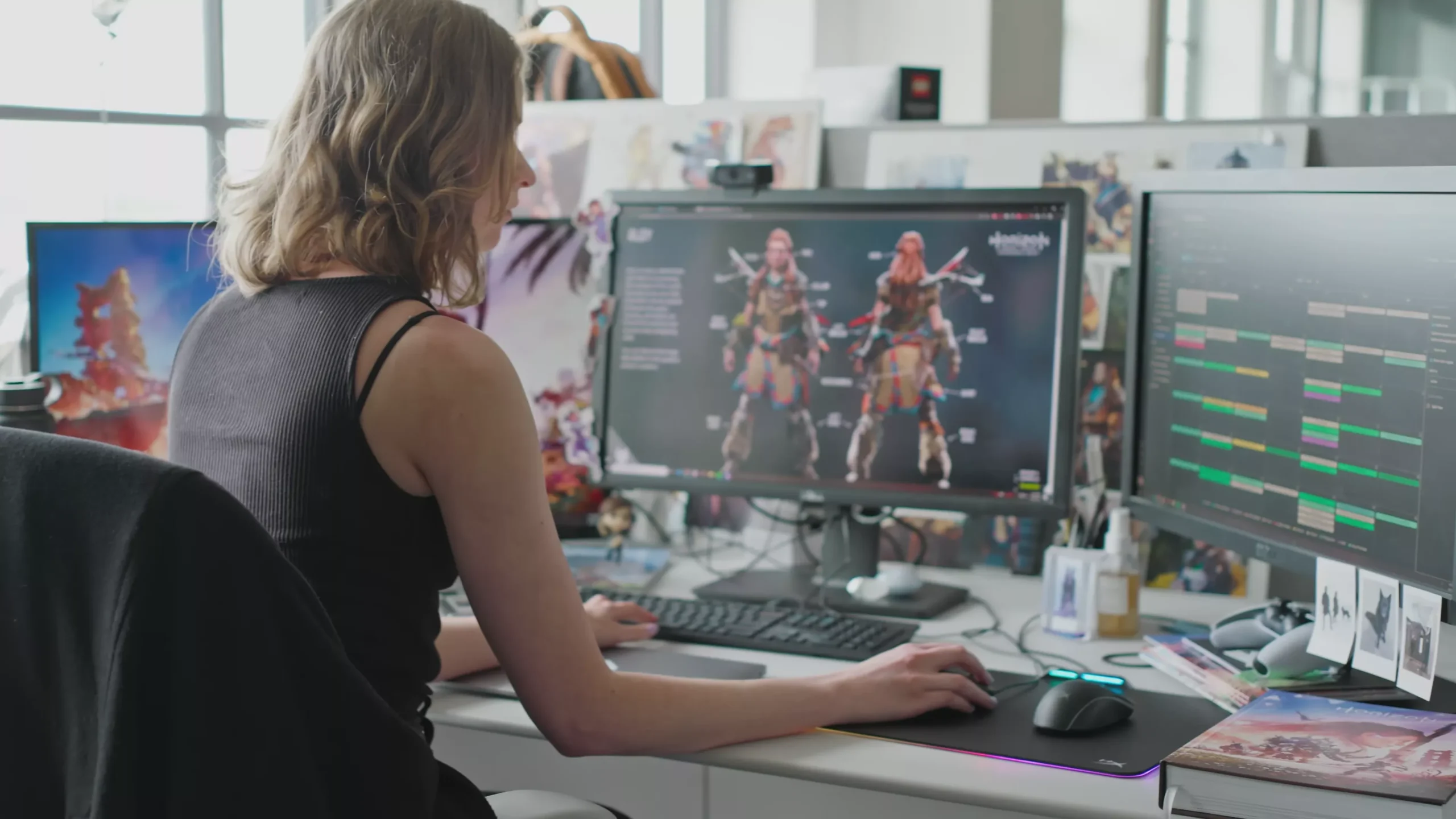

The gaming industry has grown into a multi-billion-dollar behemoth dominated by massive studios and global corporations. Yet, amid all the cinematic trailers and high-budget franchises, a quiet revolution is taking place—solo developers are creating some of the most innovative and critically acclaimed games entirely on their own.
In 2025, the solo developer is not just a curiosity; they’re a creative force. Armed with accessible tools, growing platforms, and thriving online communities, these individuals are proving that one person with a vision and relentless dedication can build a hit game from scratch.
This article explores how solo developers are succeeding, the tools and strategies they’re using, and why their work continues to resonate with players around the world.
The Rise of the Solo Dev Movement
Table of Contents
Solo game development isn’t new. Titles like Undertale by Toby Fox or Stardew Valley by Eric Barone already proved that massive teams aren’t a requirement for massive success. But what’s different in 2025 is the scale and frequency at which solo developers are producing commercially and critically successful games.
The growing presence of platforms like Steam, Itch.io, Epic Games Store, and even console marketplaces has created easier access to a global audience. At the same time, improvements in development tools, AI-based assistance, and open-source assets allow solo creators to punch far above their weight.
The Core Ingredients: What Makes a Solo Dev Game Stand Out?
While solo projects may not boast cutting-edge graphics or full voice casts, they often excel in:
-
Unique vision: Without the need for group consensus, solo developers can take bold creative risks.
-
Emotional depth: Personal experiences and stories often serve as the core of these games, giving them an authentic tone.
-
Innovation: Experimental mechanics, non-linear narratives, and genre-blending are common traits.
-
Consistency in design: With one person at the helm, everything from visuals to music and mechanics tends to reflect a unified artistic direction.
These qualities resonate with players looking for something more meaningful or refreshing than typical AAA releases.
Tools Empowering Solo Developers in 2025
Today’s solo developers are building games more efficiently than ever thanks to powerful, user-friendly software. Here are some of the top tools:
1. Game Engines
-
Unity: Still the most popular choice for 2D and 3D games. Its asset store and large community support make it ideal for solo creators.
-
Unreal Engine 5: Once considered too complex, its Blueprint visual scripting and Nanite rendering tech now make it feasible for solo devs, especially with AI-generated assets.
-
Godot Engine: An open-source favorite, particularly for pixel art, 2D games, and developers who value flexibility and control.
2. Art and Animation Tools
-
Aseprite: A top choice for pixel art and animation with frame-by-frame precision.
-
Blender: Offers everything from 3D modeling to rigging and animation—completely free.
-
Krita and Procreate: Used for concept art, UI, and background illustrations.
3. AI and Automation
-
Runway ML and Leonardo.Ai: Help with background generation, animation upscaling, and even storyboarding.
-
ChatGPT and similar LLMs: Assist with in-game dialogue writing, quest logic, lore creation, and even coding solutions.
4. Music and Sound
-
FL Studio, Ableton Live, and Bosca Ceoil: Used by solo developers for composing original music or soundtracks.
-
Freesound, Bfxr, and Sonniss: Provide royalty-free sound effects that can be mixed and customized.
Challenges Solo Devs Face—and How They Overcome Them
Building a game solo is far from easy. Most solo devs face intense obstacles, from creative burnout to limited marketing resources. However, many find clever ways to tackle them.
1. Time Management
-
Problem: Balancing all aspects of development—art, coding, music, testing—can be overwhelming.
-
Solution: Many solo devs use agile-like workflows, Trello boards, and time-blocking to manage tasks efficiently.
2. Imposter Syndrome and Isolation
-
Problem: Working in solitude can be mentally draining and lead to self-doubt.
-
Solution: Engaging with communities on Discord, Reddit, and Twitter helps devs gain feedback, support, and motivation.
3. Marketing and Discovery
-
Problem: Making a great game is one thing—getting people to notice it is another.
-
Solution: Developers are using platforms like YouTube devlogs, Kickstarter campaigns, TikTok clips, and press outreach to build audiences early.
Real Stories: Solo Developers Making an Impact in 2025
“Solar Tides” by Marla Vance
Marla, a self-taught programmer and former high school science teacher, released Solar Tides, a meditative space exploration game with real astrophysics mechanics. Built in Godot over three years, the game’s poetic storytelling and ambient soundtrack received critical acclaim and earned her a nomination at the Independent Games Festival.
“Circuit Dancer” by Leon Tanaka
A mix of rhythm and puzzle mechanics, Circuit Dancer was developed entirely by Leon using Unity and music he composed himself. What started as a weekend prototype became a surprise hit on Steam. The game now has a loyal speedrunning community and over 500K downloads.
“Harvest Below” by Jordan Mendez
A dark farming sim-meets-horror experience created using Unreal Engine. Jordan used AI-assisted dialogue tools and procedural map generation to bring his vision to life. With no team and a shoestring budget, the game sold over 100K copies within its first two months, primarily through word-of-mouth and YouTube Let’s Plays.
Community and Crowdfunding: The New Publisher
For solo developers, community support is often the backbone of success. Unlike traditional development that relies on publishers, solo devs now lean on:
-
Kickstarter and Patreon: These platforms help gather funding before release while building a community.
-
Early Access on Steam: Provides feedback and revenue during development.
-
Social Media: Sharing devlogs, gifs, and design ideas can attract thousands of followers and potential buyers before launch.
The rise of the creator economy has allowed developers to build audiences before the game is even complete, leading to a more sustainable and rewarding development process.
Why Players Love Solo Dev Games
Gamers in 2025 are more receptive than ever to indie titles. There’s a growing appetite for:
-
Games that feel personal and thoughtful
-
Unique stories that big studios might consider too risky
-
Mechanics that break away from industry norms
Players are increasingly interested in supporting individuals directly, especially when they see the dev’s journey unfold over months or years through behind-the-scenes content.
The Future of Solo Development
Looking ahead, the solo development space is only expected to grow. With more accessible education (like YouTube tutorials and online courses), integrated AI tools that help handle repetitive tasks, and engines that remove technical barriers, the solo dev is evolving from an exception to a movement.
In the coming years, we’ll likely see:
-
AI collaborating as a creative partner (for level design, testing, localization)
-
More hybrid games blending genres in unexpected ways
-
Solo games competing head-to-head with larger indie studios in both quality and sales

Final Thoughts
Creating a game from scratch as a solo developer is a monumental task. It demands vision, grit, adaptability, and endless learning. But the results—when done right—are nothing short of incredible.
In 2025, these one-person studios are not just surviving; they’re thriving. They’re challenging the status quo, shaping the industry’s creative future, and reminding everyone that you don’t need a massive team to make a massive impact.
So the next time you discover a new indie gem that blows you away, take a moment to look behind the scenes. Chances are, it was just one passionate individual—somewhere in the world—bringing their dream to life, one pixel at a time.