
Game development is an exciting and dynamic field, but it can also be overwhelming, especially when it comes to choosing the right tools. Whether you’re a seasoned developer or a beginner, having the right set of tools can make or break your game development journey. In this article, we’ll explore the best tools for game development, backed by expert opinions, real-world examples, and actionable insights. By the end, you’ll have a clear understanding of which tools can help you bring your game ideas to life.

Why Choosing the Right Game Development Tools Matters
Table of Contents
Game development is a complex process that involves coding, designing, testing, and deploying. The right tools not only streamline these processes but also enhance creativity and efficiency. According to a 2022 survey by Game Developer Magazine, 78% of developers reported that using the right tools significantly improved their productivity and reduced development time.
Whether you’re working on a 2D platformer, a 3D open-world game, or a mobile puzzle game, the tools you choose will impact your workflow, the quality of your game, and even your ability to collaborate with others.
Top Game Development Tools in 2023
1. Unity
Unity is one of the most popular game engines in the world, and for good reason. It’s versatile, user-friendly, and supports both 2D and 3D game development.
Key Features:
- Cross-platform support (PC, consoles, mobile, AR/VR).
- A vast asset store with pre-built models, textures, and scripts.
- Strong community support and extensive documentation.
Real-World Example:
Games like Hollow Knight and Monument Valley were built using Unity, showcasing its flexibility for both indie and AAA titles.
Expert Insight:
John Riccitiello, CEO of Unity Technologies, states, “Unity empowers creators of all sizes to build immersive experiences. Its accessibility and scalability make it a go-to choice for developers worldwide.”
2. Unreal Engine
Unreal Engine is a powerhouse for creating high-quality 3D games. Known for its stunning graphics and robust physics engine, it’s a favorite among AAA developers.
Key Features:
- Blueprint visual scripting for non-programmers.
- Real-time rendering and photorealistic visuals.
- Free to use until your game earns $1 million in revenue.
Real-World Example:
Games like Fortnite and Gears of War were developed using Unreal Engine, proving its capability to handle large-scale projects.
Expert Insight:
Tim Sweeney, CEO of Epic Games, says, “Unreal Engine is designed to push the boundaries of what’s possible in game development, making it accessible to both indie developers and large studios.”
3. Godot
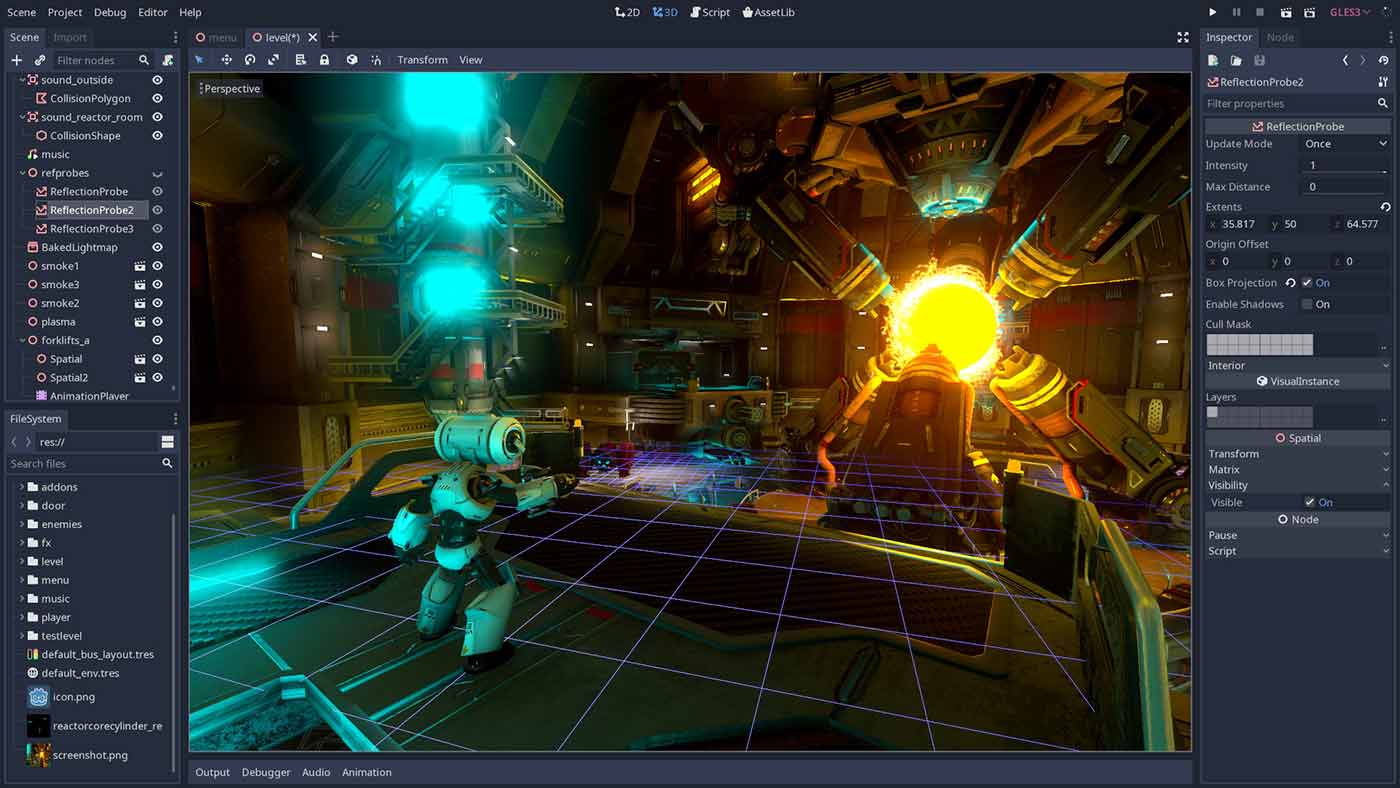
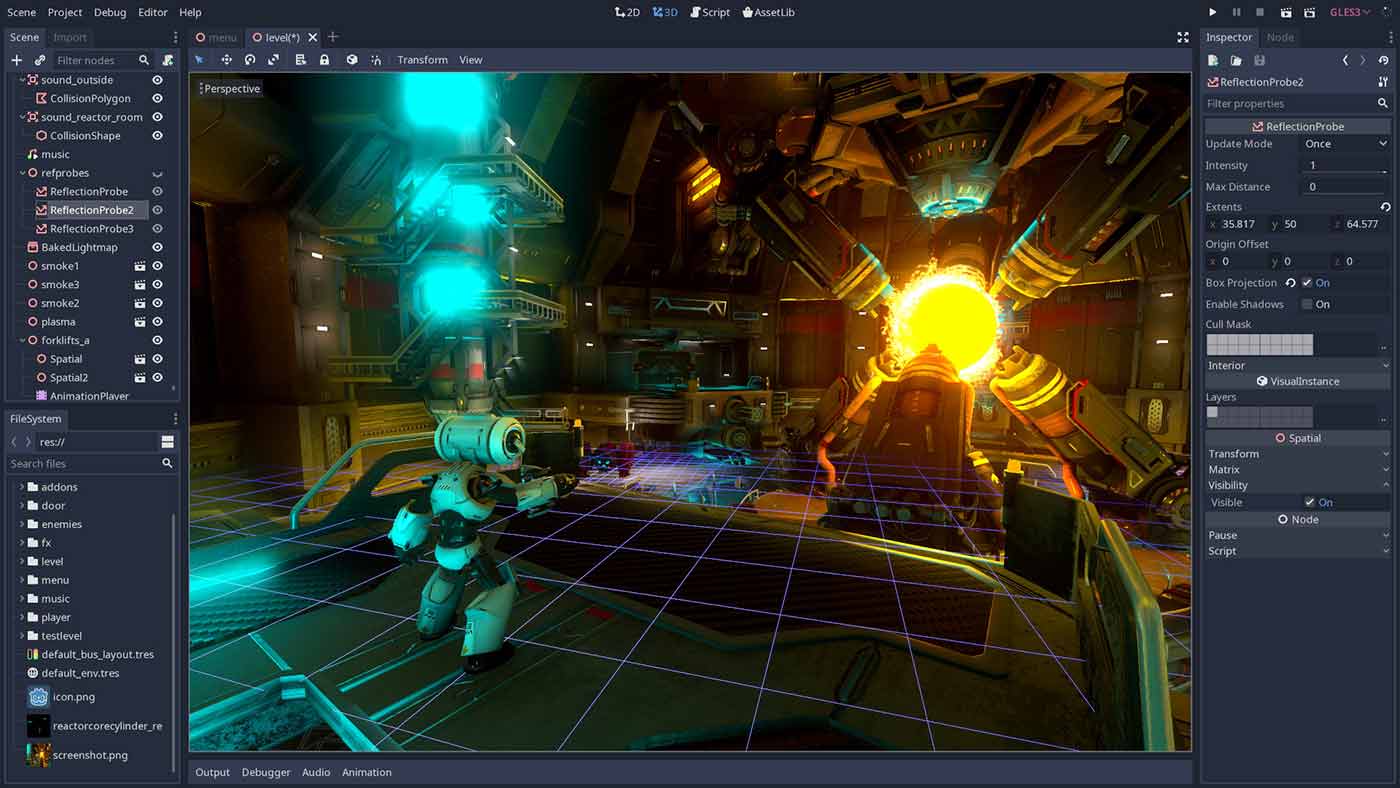
Godot is an open-source game engine that’s gaining popularity for its lightweight design and flexibility. It’s perfect for indie developers on a budget.
Key Features:
- No licensing fees or royalties.
- Supports 2D and 3D game development.
- Built-in scripting language (GDScript) similar to Python.
Real-World Example:
The indie game Dome Keeper was developed using Godot, demonstrating its potential for creating polished, engaging games.

Expert Insight:
Juan Linietsky, co-creator of Godot, explains, “Godot is designed to be intuitive and accessible, allowing developers to focus on creativity rather than technical hurdles.”
4. Blender
Blender is a free, open-source 3D modeling tool that’s essential for creating game assets. It’s a must-have for any game developer working with 3D graphics.
Key Features:
- Comprehensive modeling, sculpting, and animation tools.
- Integrated rendering engine.
- Active community and regular updates.
Real-World Example:
Blender was used to create assets for Spider-Man: Into the Spider-Verse, proving its capability for high-quality production.
Expert Insight:
Ton Roosendaal, founder of the Blender Foundation, says, “Blender is a tool for creators who want full control over their artistic vision without the constraints of expensive software.”
5. Visual Studio
Visual Studio is a powerful integrated development environment (IDE) used for coding games. It’s particularly popular among C# developers working with Unity.
Key Features:
- Advanced debugging and profiling tools.
- IntelliSense for code completion.
- Seamless integration with Unity and Unreal Engine.
Real-World Example:
Many AAA studios, including Ubisoft and EA, use Visual Studio for their game development projects.
Expert Insight:
Scott Guthrie, Executive Vice President of Microsoft, notes, “Visual Studio is designed to help developers write better code faster, making it an indispensable tool for game development.”
6. Trello
Game development isn’t just about coding and design; it’s also about project management. Trello is a simple yet effective tool for organizing tasks and collaborating with teams.
Key Features:
- Drag-and-drop task management.
- Customizable boards and workflows.
- Integration with other tools like Slack and Google Drive.
Real-World Example:
The team behind Among Us used Trello to manage their development process, ensuring smooth collaboration despite being a small team.
Expert Insight:
Michael Pryor, co-founder of Trello, says, “Trello helps teams stay organized and focused, which is crucial for the fast-paced world of game development.”
How to Choose the Right Tools for Your Project
1. Define Your Goals
Are you creating a 2D mobile game or a 3D console game? Your goals will determine which tools are best suited for your project.
2. Consider Your Budget
Some tools, like Unity and Unreal Engine, offer free versions but may require royalties. Open-source tools like Godot and Blender are completely free.
3. Evaluate Your Skill Level
Beginners may prefer user-friendly tools like Unity, while experienced developers might opt for more advanced engines like Unreal Engine.
4. Think About Collaboration
If you’re working with a team, choose tools that support collaboration, such as Trello for project management and GitHub for version control.
Conclusion
Choosing the right tools for game development is crucial for bringing your creative vision to life. Whether you’re an indie developer or part of a large studio, tools like Unity, Unreal Engine, Godot, Blender, Visual Studio, and Trello can help you streamline your workflow and create high-quality games.
Remember, the best tool is the one that aligns with your goals, budget, and skill level. So, experiment with different options, seek advice from the community, and most importantly, have fun creating!
Questions
Q1. What is the best game engine for beginners?
Unity is often recommended for beginners due to its user-friendly interface and extensive learning resources.
Q2. Is Unreal Engine better than Unity?
It depends on your project. Unreal Engine is better for high-end 3D games, while Unity is more versatile and beginner-friendly.
Q3. Can I use Blender for 2D game development?
Blender is primarily a 3D tool, but it can be used for 2D asset creation when combined with other tools like Godot or Unity.
Q4. Do I need to know coding to develop games?
Not necessarily. Tools like Unreal Engine’s Blueprint and Unity’s Bolt allow you to create games without writing code.
Q5. What is the cost of game development tools?
Costs vary. Unity and Unreal Engine offer free versions with revenue-sharing models, while tools like Godot and Blender are completely free.