
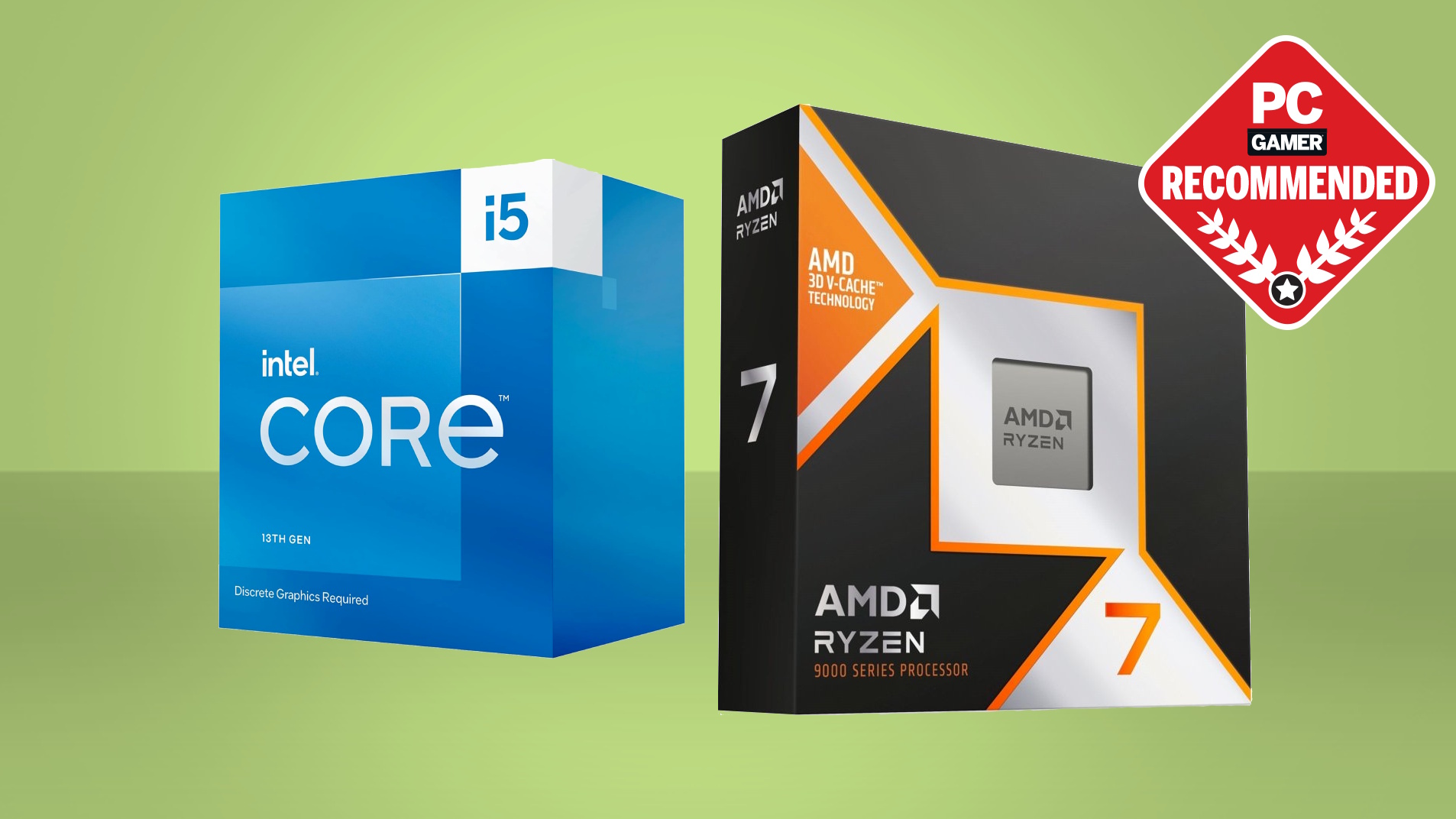

The long-standing battle between Intel and AMD has defined the world of PC gaming for decades. With each new generation of processors, the two giants push the envelope of performance, efficiency, and innovation. In 2025, the competition is fiercer than ever, with both companies offering powerful CPUs aimed at gamers. Whether you’re building a new gaming rig or upgrading an older one, the question remains: Which CPU is best for gamers in 2025?
This guide breaks down the strengths and weaknesses of both Intel and AMD’s latest processors, comparing raw gaming performance, price-to-performance, platform features, and real-world usability—so you can make the most informed choice for your gaming needs.
1. The Current Landscape: Intel and AMD in 2025
Table of Contents
Intel’s 15th Gen “Arrow Lake” CPUs
In 2025, Intel’s 15th-generation Arrow Lake processors are their flagship offering for desktops. Built on Intel’s 20A process and utilizing a hybrid architecture of performance and efficiency cores, Arrow Lake brings notable improvements in power efficiency, integrated AI acceleration, and gaming responsiveness.
Highlights:
-
Up to 24 cores (8P + 16E)
-
DDR5-6400+ memory support
-
PCIe 5.0 lanes for next-gen GPUs and SSDs
-
Enhanced integrated graphics via Xe-LPG
AMD’s Ryzen 9000 Series “Zen 5” CPUs
AMD’s Ryzen 9000 series, built on the Zen 5 architecture and TSMC’s 3nm process, also debuted this year. Known for impressive IPC (Instructions Per Cycle) gains and efficiency, Zen 5 CPUs aim to deliver top-tier gaming and multi-threaded performance in a compact power envelope.
Highlights:
-
Up to 16 cores (all performance cores)
-
PCIe 5.0 and DDR5 support
-
Improved AI inference engine and gaming latency
-
Strong single-core uplift over Zen 4
2. Raw Gaming Performance: FPS Counts and Bottlenecks
When it comes to gaming, single-threaded performance and low latency are critical. Most modern games still prioritize clock speed and instructions-per-clock (IPC) over massive core counts, especially at 1080p resolution.
Benchmark Comparisons (as of mid-2025)
-
Intel Core i7-15700K vs AMD Ryzen 7 9700X: In CPU-limited scenarios at 1080p, the Intel chip leads slightly in games like Counter-Strike 2, Valorant, and Fortnite by 5–8 FPS, thanks to higher peak clocks and aggressive thread scheduling.
-
Intel Core i9-15900K vs Ryzen 9 9900X: The Core i9 has a slight edge in high refresh rate scenarios, while the Ryzen 9 excels in workloads like streaming or background rendering during gameplay.
-
Ryzen 5 9600X vs Core i5-15500: This is the true midrange battle, and AMD’s Ryzen 5 offers slightly better 1% lows, leading to smoother gameplay, while Intel offers more consistent high FPS.
Verdict on Gaming FPS:
In pure gaming workloads, Intel retains a small but measurable lead in top-end FPS, especially in esports titles. However, AMD has significantly closed the gap and often matches or exceeds Intel in newer AAA games optimized for multi-core CPUs.
3. Price-to-Performance Ratio
Gaming on a budget requires careful consideration of value per dollar spent. Here’s how things stack up in 2025:
AMD Ryzen Value Highlights:
-
Ryzen 5 9600X (~$230): Offers 6 cores, excellent single-threaded performance, and strong thermal efficiency.
-
Ryzen 7 9700X (~$350): A solid 8-core chip with great gaming and productivity crossover performance.
-
Backward compatibility with AM5 motherboards
Intel Arrow Lake Value Highlights:
-
Core i5-15500 (~$250): A hybrid chip with 6P + 8E cores, ideal for modern gaming workloads and multitasking.
-
Core i7-15700K (~$400): Strong gaming performer with 8P + 8E cores.
Overall Value Winner:
In 2025, AMD takes the lead in value. Their chips offer competitive gaming performance at lower prices and have the added benefit of socket longevity on the AM5 platform.
4. Platform Ecosystem: Motherboards, Upgrades, and Features
Choosing a CPU isn’t just about the chip—it’s also about the platform surrounding it.
Intel Platform in 2025:
-
New Socket (LGA 1851) required for Arrow Lake
-
Supports only DDR5 memory (no DDR4 fallback)
-
Intel Z890, B860 chipset boards are feature-rich but relatively expensive
-
Great overclocking tools and robust power delivery
AMD Platform in 2025:
-
Continues support for AM5 socket, launched in 2022
-
Wide range of motherboards available (B650, X670, B850)
-
DDR5 only, but cheaper modules are now more accessible
-
Strong BIOS support and excellent thermal management
Platform Winner:
AMD wins in terms of longevity and upgrade path. If you build on AM5 today, you may still be able to drop in a Zen 6 CPU next year without replacing your motherboard. Intel, while offering powerful new features, has once again changed sockets, meaning you must buy a new board if upgrading from 13th or 14th gen.
5. Thermals and Power Efficiency
In the past, Intel CPUs were known for running hot and consuming more power. With Arrow Lake, Intel has improved efficiency considerably, but AMD’s 3nm Zen 5 architecture remains ahead in this category.
Thermal Comparison:
-
Intel Core i9-15900K: Can reach 100°C under load without proper cooling; power draw spikes over 250W during gaming + productivity tasks.
-
Ryzen 9 9900X: Runs cooler (~80-85°C under load) and draws around 180-200W max.
Cooling Requirements:
-
Intel chips benefit from high-end air or 240mm+ AIO coolers
-
AMD chips can be comfortably cooled with midrange air coolers in most cases
Efficiency Winner:
AMD leads in thermal management and efficiency, making it ideal for compact builds or systems prioritizing quiet performance.
6. AI, Future-Proofing, and Other Features
In 2025, gaming CPUs do more than just render frames. AI workloads, streaming enhancements, and background applications have become common.
-
Intel’s Arrow Lake introduces the NPU (Neural Processing Unit) for AI inference tasks, including future applications in real-time voice chat translation, noise cancellation, and upscaling.
-
AMD’s Ryzen 9000 series includes improved AI accelerators and low-latency L3 cache access optimized for game engines.
Both brands support:
-
PCIe Gen 5 SSDs and GPUs
-
DDR5 memory
-
USB 4 / Thunderbolt 4 on higher-end boards
-
Hardware-accelerated encoding and streaming (AV1, H.264, HEVC)
Feature Comparison:
Intel’s Arrow Lake offers slightly more cutting-edge features, especially for creators and streamers, but AMD is not far behind and has excellent all-around support for modern technologies.
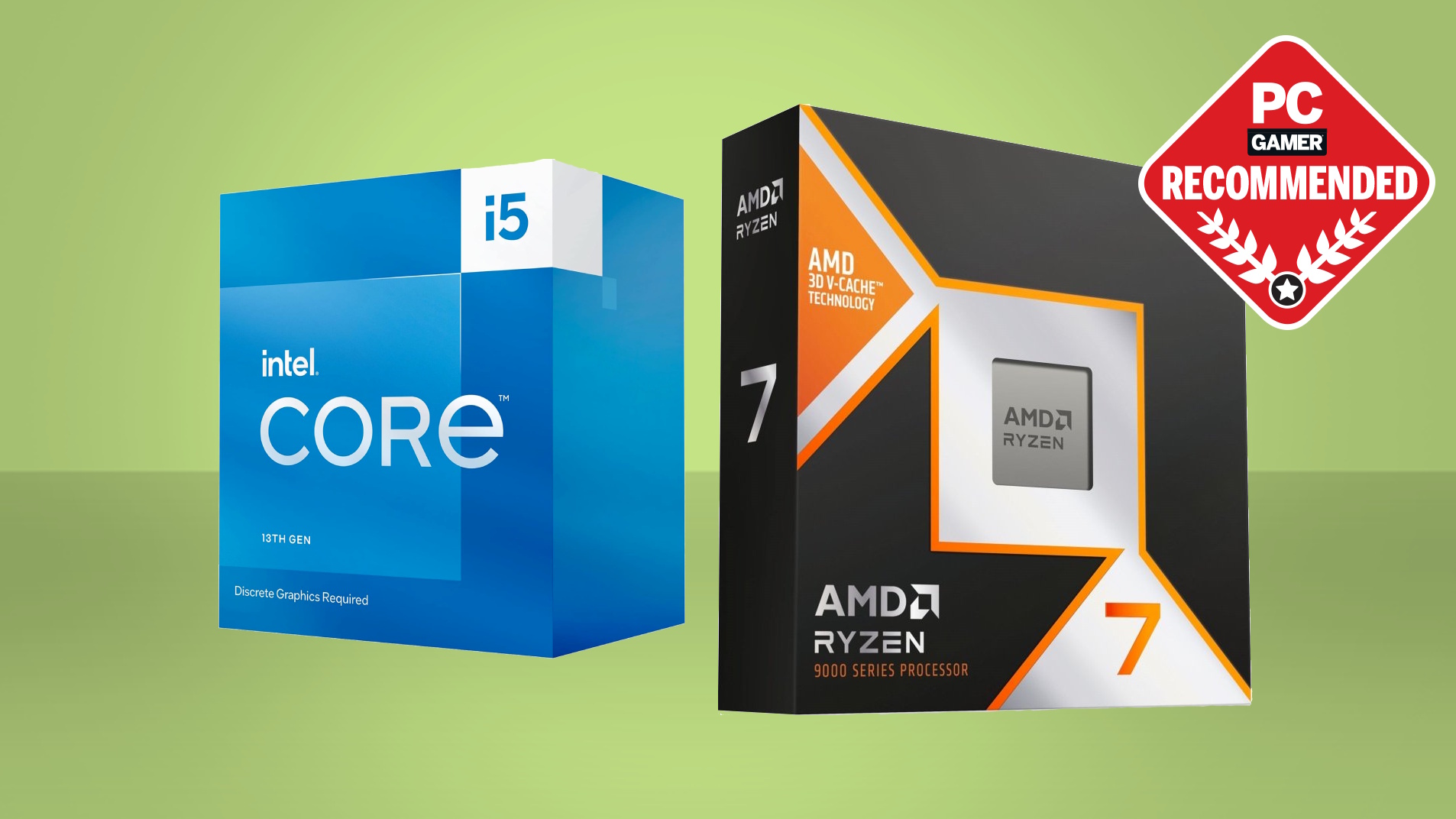
Conclusion: Which CPU Should Gamers Choose in 2025?
The best gaming CPU for you in 2025 depends on your specific needs and budget. Here’s a breakdown:
Choose Intel if:
-
You play esports titles where every frame matters
-
You want peak FPS and don’t mind premium pricing
-
You’re upgrading from a recent Intel system and need the newest tech stack
-
You prioritize AI features and multi-threaded streaming
Choose AMD if:
-
You want excellent value and upgrade flexibility
-
You plan to use your system for gaming and productivity
-
You prefer cooler, more power-efficient systems
-
You want to build a system today that you can upgrade in 1–2 years without changing the motherboard.