
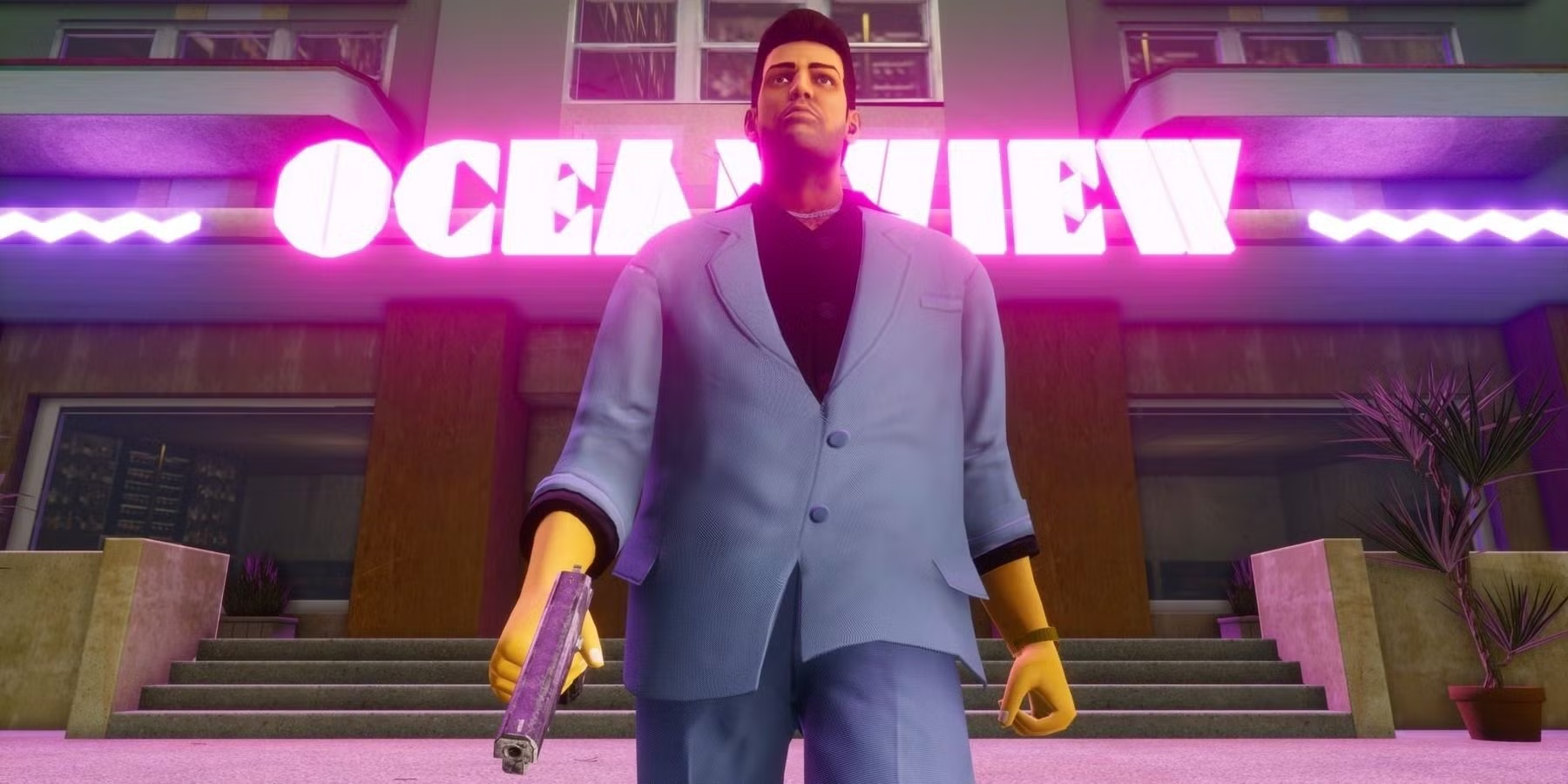

The open-world genre has become a cornerstone of modern gaming, offering players expansive, immersive environments where they can explore, create, and interact freely. Among the many titles that have shaped this genre, Grand Theft Auto: Vice City stands out as a pivotal game that not only defined a generation but also fundamentally transformed how open worlds are conceived, designed, and experienced. Released in 2002 by Rockstar Games, Vice City drew inspiration from 1980s Miami and Hollywood culture, delivering a vibrant, neon-lit playground that captivated players worldwide. Its influence reverberates through the industry to this day. In this essay, we will explore how Vice City changed the open-world genre forever by innovating gameplay mechanics, narrative depth, environmental design, and player agency.
The Birth of a Genre-Defining Universe
Table of Contents
Before Vice City, open-world games existed but often struggled with balancing freedom and structure. Titles like GTA III (2001), also developed by Rockstar, laid the groundwork with its revolutionary approach to sandbox gameplay. However, Vice City took these foundations and elevated them through richer storytelling, a more vibrant setting, and deeper gameplay mechanics. It set a new standard for what an open-world game could achieve, becoming a benchmark for future titles.
Pioneering Narrative Depth in an Open World
One of Vice City’s most significant contributions was its emphasis on narrative and character development within an open environment. Unlike earlier games that prioritized gameplay loops over story, Vice City integrated a compelling narrative centered around Tommy Vercetti’s rise in the criminal underworld. The game’s story was intertwined with its environment, immersing players in a fictionalized Miami filled with colorful characters, radio stations, and cultural references.
This blending of storytelling and open-world exploration demonstrated that players could be motivated not just by sandbox freedom but also by compelling narratives that unfold alongside gameplay. The game’s dialogue, cutscenes, and mission design showcased how storytelling could be embedded within a sprawling environment, inspiring subsequent open-world titles to prioritize narrative depth without sacrificing player agency.
Expanding Environmental Design and Cultural Immersion
Vice City distinguished itself through its meticulously crafted setting. The game’s depiction of 1980s Miami, with its neon lights, palm trees, beaches, and urban decay, created an atmosphere that was both nostalgic and immersive. Rockstar’s attention to detail—such as radio stations playing era-specific music, billboards, and diverse neighborhoods—made the city feel alive and believable.
This level of environmental richness set a new standard for open-world design. Developers recognized that creating a believable, vibrant world could enhance immersion and player engagement. The game demonstrated that a well-designed environment was not just a backdrop but an active participant in gameplay and storytelling. As a result, many subsequent open-world games began to invest more heavily in environmental storytelling, aesthetic cohesion, and cultural authenticity.
Introducing a Musical and Cultural Ecosystem
One of Vice City’s most iconic features was its radio stations, which played a variety of music spanning genres like rock, pop, hip-hop, and new wave. These stations weren’t mere background music; they were integral to the game’s atmosphere, providing cultural context and humor that resonated with players.
This approach influenced the role of sound design in open-world games, emphasizing the importance of creating an auditory ecosystem that enhances immersion and reinforces the setting. The idea of a dynamic, culturally rich environment became a hallmark of later games such as GTA IV, GTA V, and beyond, where music and ambient sounds help build a believable, lively universe.
Enhancing Player Agency and Freedom
Vice City exemplified the concept of player agency. Players could choose to follow the main storyline, engage in side missions, or simply explore the city at their leisure. The game’s design encouraged experimentation, from committing crimes to customizing vehicles and properties.
This emphasis on freedom influenced the evolution of open-world gameplay. Developers recognized that players desired not just linear stories but the ability to create their own experiences within a game world. As a result, subsequent titles introduced features like vehicle customization, property management, and diverse side activities, all aimed at increasing player agency and personalization.
Innovations in Gameplay Mechanics
Vice City introduced several gameplay mechanics that became staples of the open-world genre. These included:
- Vehicular Variety and Customization: From motorcycles to boats, players had access to a diverse range of vehicles, each with unique handling. The game also allowed for vehicle damage, repair, and customization, adding depth to transportation.
- Weapon and Combat Systems: The game expanded combat mechanics with a variety of weapons and tactical options, encouraging players to approach missions and free-roam activities creatively.
- Economic Systems: Players could purchase properties, which generated income, creating a sense of investment and progression within the world.
- Radio Stations and Side Activities: Beyond missions, players could engage in activities like taxi driving, vigilante missions, or just cruising, further enriching the open-world experience.
These mechanics demonstrated how gameplay depth could coexist with a large, explorable environment, encouraging developers to incorporate layered systems that promote engagement and replayability.
Influence on Game Design and Industry Standards
The success and innovation of Vice City had a profound impact on the industry:
- Setting a New Benchmark: Its commercial and critical success pushed developers to craft worlds that were not only vast but also culturally resonant, detailed, and narratively engaging.
- Encouraging Modularity and Customization: The game’s vehicle and property systems inspired similar mechanics in later titles, emphasizing player control and personalization.
- Refining Open-World AI and Interactivity: Vice City showcased the importance of believable AI routines, pedestrian behavior, and interactive environments, which became a focus for future open-world creators.
- Expanding the Cultural Scope: Its focus on 1980s culture influenced a trend of incorporating specific eras and settings, enriching the diversity of open-world environments.
The Legacy of Vice City
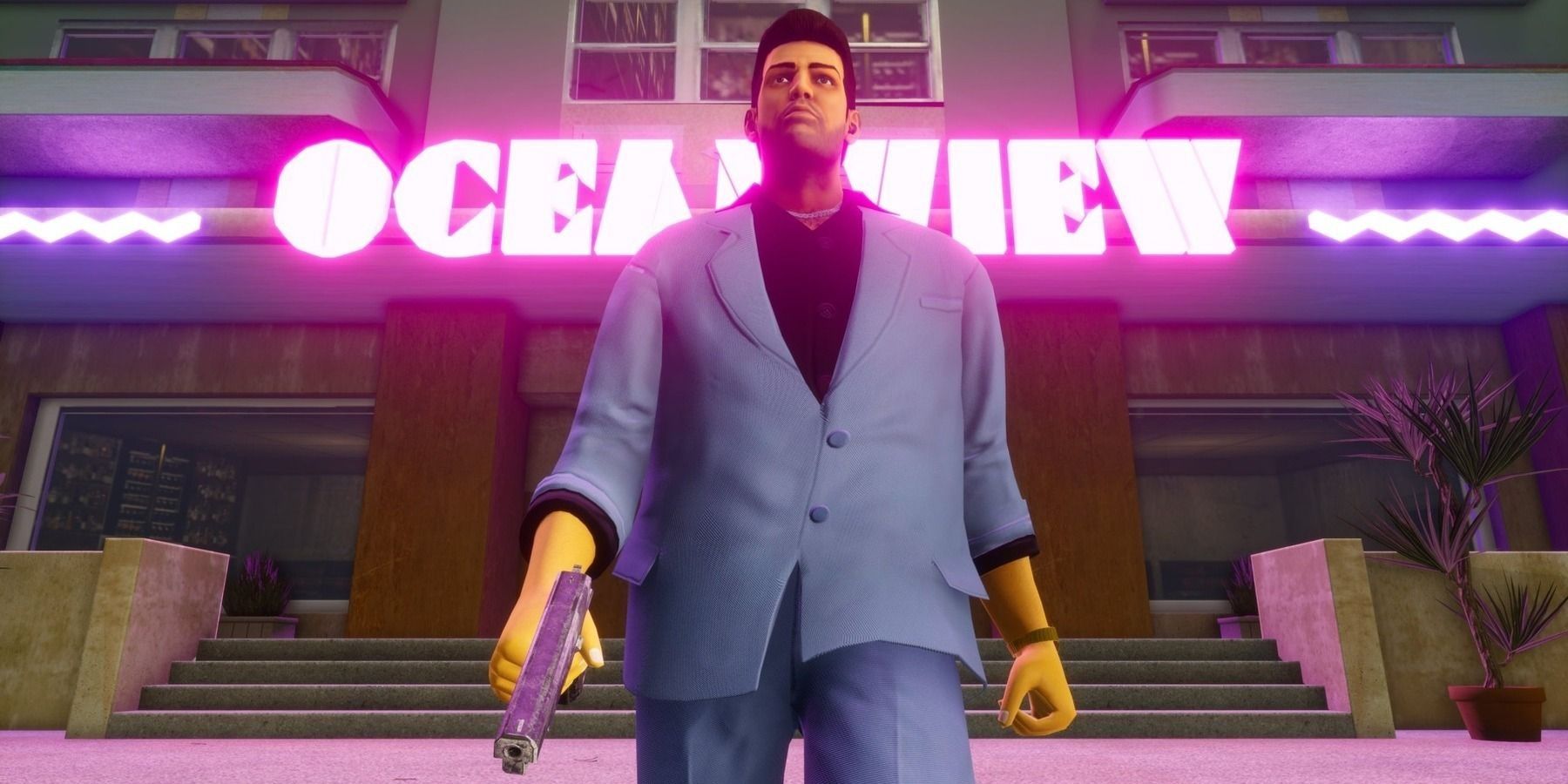
Vice City’s influence extends beyond its immediate successors. It helped define the cultural and technical expectations for open-world games. Its emphasis on storytelling within a sandbox environment has become a blueprint for countless titles, from Saints Row to Watch Dogs and Cyberpunk 2077.
Furthermore, Vice City laid the groundwork for the integration of multimedia elements—music, radio, and cultural references—becoming an essential component of immersive design. Its success demonstrated that a vibrant, detailed, and culturally rich world could captivate players and sustain long-term engagement.
Conclusion
Grand Theft Auto: Vice City fundamentally changed the open-world genre through its innovative combination of storytelling, environmental design, gameplay mechanics, and cultural immersion. It elevated the possibilities of what an open-world game could be, proving that players craved rich narratives, vibrant worlds, and meaningful agency. By doing so, Vice City set new standards and inspired countless developers to push the boundaries of open-world design.
Its legacy is evident in the sprawling, detailed worlds of modern games and the way we think about player freedom, storytelling, and cultural authenticity in digital environments. In essence, Vice City didn’t just contribute to the genre; it transformed it, carving a path that continues to influence game design today.