
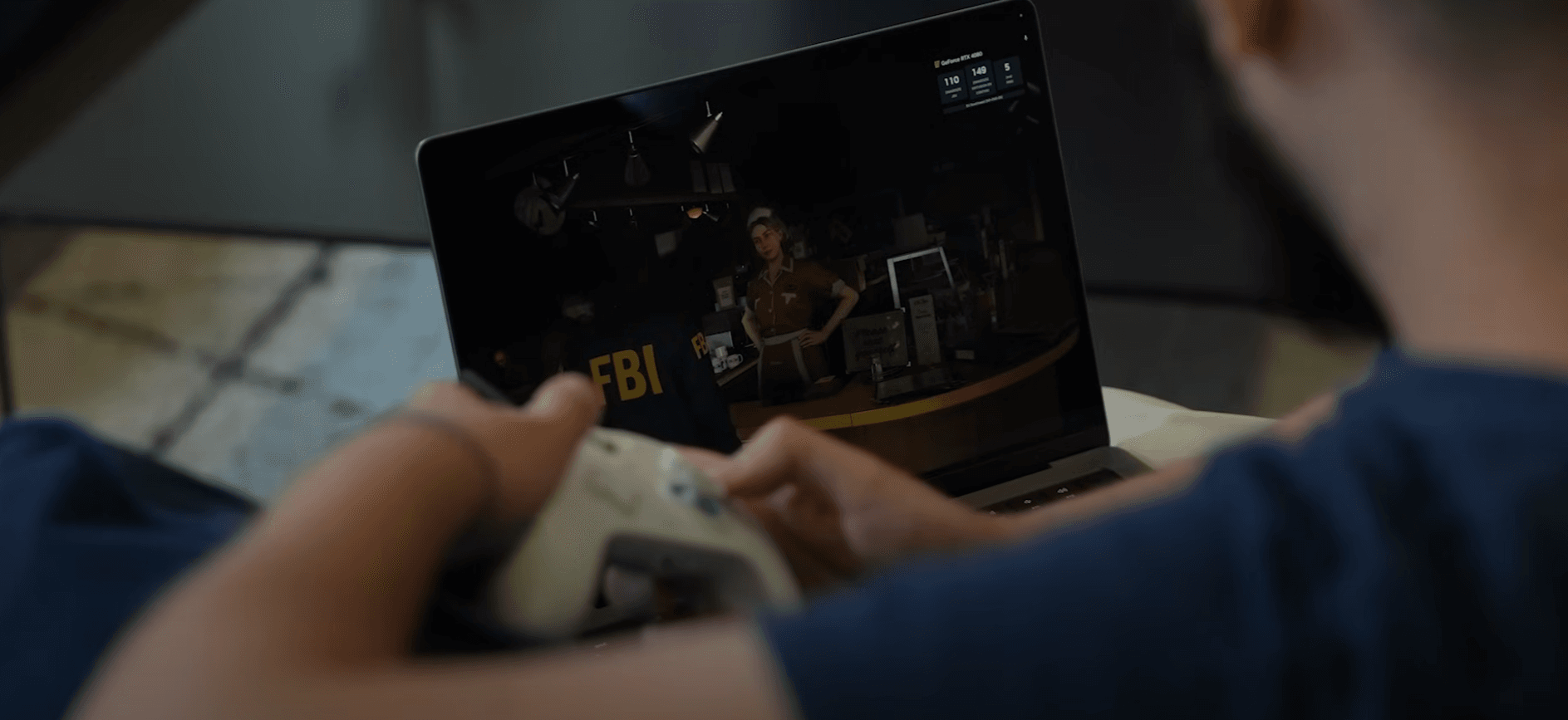

The landscape of video gaming has undergone a seismic transformation over the past decade. From the advent of high-definition consoles to the proliferation of mobile gaming, the industry has continually evolved to meet the shifting demands of players worldwide. One of the most anticipated innovations in recent years has been cloud gaming, a technology that promises to revolutionize how we access, experience, and enjoy digital entertainment. As we approach 2025, the question on many gamers’ minds is: Is cloud gaming finally worth it?
In this comprehensive exploration, we will delve into the evolution of cloud gaming, its current state in 2025, the technological, economic, and social factors influencing its adoption, and whether it truly meets the expectations set for it over the past decade.
The Evolution of Cloud Gaming
Table of Contents
Cloud gaming, also known as game streaming, allows players to play high-end games without the need for powerful local hardware. Instead, the game runs on remote servers, with the video and audio streamed directly to the player’s device. The concept gained traction in the early 2010s, with services like Gaikai, OnLive, and Sony’s PlayStation Now pioneering the space.
Initially, cloud gaming faced significant hurdles: latency issues, limited bandwidth, and inconsistent performance hampered user experience. Early adopters often encountered lag, reduced graphics fidelity, and connection drops, which made the experience less than ideal. Despite these challenges, major industry players persisted, investing heavily in infrastructure, compression algorithms, and network optimization.
Over the past decade, advancements in network technology, particularly the rollout of 5G and improvements in fiber optic infrastructure, have dramatically improved the feasibility of cloud gaming. Additionally, the emergence of dedicated data centers and edge computing has reduced latency, making real-time gameplay more practical than ever before.
The State of Cloud Gaming in 2025
By 2025, cloud gaming has matured into a more robust, reliable, and accessible platform. Several factors contribute to this transformation:
1. Widespread Infrastructure Improvements
The global deployment of 5G networks has dramatically increased bandwidth and reduced latency, even in remote areas. High-speed internet is now a standard in many households, diminishing one of the primary barriers to cloud gaming. Meanwhile, advancements in fiber optic networks continue to expand gigabit speeds worldwide.
2. Advanced Compression and Streaming Technologies
Innovations in video compression, such as AV1 codec and adaptive bitrate streaming, enable higher fidelity visuals with minimal latency. Cloud providers now employ AI-driven algorithms to optimize streaming quality dynamically, ensuring smooth gameplay even under fluctuating network conditions.
3. Hardware Compatibility and Edge Computing
Modern devices—from smartphones and tablets to smart TVs—are increasingly capable of handling high-quality streams. Edge computing infrastructure minimizes data transfer distances, further reducing latency. Some services now leverage local processing on the device to assist with input responsiveness.
4. Expanding Content Libraries and Platforms
Major services like Xbox Cloud Gaming (formerly xCloud), NVIDIA GeForce NOW, Sony’s PlayStation Plus, and Google Stadia (despite its challenges) have expanded their catalogs. Exclusive titles and AAA games are increasingly optimized for streaming, enticing more users.
5. Competitive Pricing and Subscription Models
Subscription-based models have become more flexible and affordable, offering access to extensive libraries for a monthly fee. Promotions and bundles with hardware or internet providers make cloud gaming an attractive option for many consumers.
Advantages of Cloud Gaming in 2025
Given these technological strides, cloud gaming now offers several compelling advantages:
a) Accessibility and Convenience
Players no longer need expensive gaming PCs or consoles. With just a compatible device and a stable internet connection, users can access high-quality games. This opens gaming to a broader demographic, including those in regions where high-end hardware is cost-prohibitive.
b) Instant Play and No Downloads
Game installations and updates often take time. Cloud gaming eliminates this delay, allowing instant access to titles. Players can jump into a game within seconds, which is especially beneficial for casual gamers or those with limited storage space.
c) Cross-Device Play
Seamless transition between devices has become more seamless. Play on a smartphone during a commute, switch to a tablet at home, and continue on a PC or smart TV without losing progress.
d) Lower Entry Barrier for Developers
Developers can reach audiences without investing heavily in platform-specific ports or hardware optimization. Cloud infrastructure handles the heavy lifting, enabling rapid deployment and testing.
e) Evolving Gaming Experiences
Cloud gaming supports emerging technologies such as virtual reality (VR) and augmented reality (AR), making immersive experiences more accessible without specialized hardware.
Challenges and Limitations Remaining in 2025
While the advancements are promising, cloud gaming in 2025 is not without its challenges. Several issues still impact its widespread adoption and user satisfaction:
1. Dependence on Internet Quality
Despite widespread improvements, internet stability and speed remain critical. Regions with poor connectivity or high latency still face difficulties in enjoying cloud gaming without lag or degraded visuals.
2. Data Caps and Bandwidth Costs
Streaming high-quality games consumes significant data. In countries with limited data plans or high bandwidth costs, cloud gaming may be less attractive or financially feasible.
3. Latency and Input Responsiveness
Even with edge computing, some latency persists, especially in fast-paced, competitive games like first-person shooters or fighting games. For some players, this latency can be disruptive, impacting gameplay precision.
4. Proprietary Ecosystems and Fragmentation
Different services often operate within isolated ecosystems, limiting interoperability. Fragmentation can hinder user experience, requiring multiple subscriptions or platforms to access preferred titles.
5. Ownership and Preservation Concerns
Cloud gaming raises questions about game ownership, digital rights, and preservation. Players do not own physical copies or even digital licenses in the traditional sense; instead, they access a service. This model can affect long-term access to games if a service shuts down.
Is Cloud Gaming Worth It in 2025?
Given the technological advancements and the benefits outlined, is cloud gaming finally “worth it”? The answer depends on individual circumstances, gaming preferences, and regional considerations.
For the Casual and Mobile Gamer
For casual players, the convenience, low upfront costs, and device flexibility make cloud gaming an attractive option. They can enjoy a vast library of titles without investing in expensive hardware. The instant play feature and cross-device compatibility align well with on-the-go lifestyles.
For the Avid and Competitive Gamer
High-speed internet and low latency are crucial. While many services have made strides, competitive gamers may still prefer local hardware for critical responsiveness. However, for single-player campaigns or less timing-sensitive genres, cloud gaming offers a compelling experience.
For Regions with Robust Infrastructure
In regions with widespread high-speed internet, cloud gaming is increasingly viable. As infrastructure continues to improve, the experience will only get better, making it a mainstream choice.
For Developers and Publishers
Cloud gaming reduces distribution costs, enables rapid updates, and opens global markets. Developers can reach audiences more efficiently, and publishers can experiment with innovative game models like streaming-only titles.
Economic and Environmental Considerations
Cloud gaming can be more energy-efficient by consolidating hardware infrastructure. However, data centers consume significant energy, and the environmental impact depends on the energy sources used. As renewable energy becomes more prevalent, cloud gaming’s sustainability profile improves.
 Future Outlook: The Road Ahead
While cloud gaming in 2025 is a mature and viable option, its future will depend on continued technological innovations, market dynamics, and consumer acceptance.
Emerging Technologies
- 5G and Beyond: The ongoing deployment of 5G and future 6G networks will further reduce latency and increase bandwidth, making cloud gaming more seamless globally.
- Edge Computing: Decentralized data centers closer to users will enhance responsiveness.
- AI and Machine Learning: These will optimize streaming quality, predict network issues, and personalize user experiences.
Market Competition
As major players compete, pricing models may evolve, potentially leading to bundling with internet services or hardware. Open standards and interoperability could reduce fragmentation, making cloud gaming more user-friendly.
Integration with Other Technologies
Cloud gaming could integrate with virtual reality, augmented reality, and even AI-driven game design, creating deeply immersive and personalized experiences.
Conclusion: Is It Finally Worth It?
In summary, by 2025, cloud gaming has overcome many of its initial hurdles. Technological innovations, infrastructure improvements, and expanding content libraries have made it a practical and appealing option for a broad audience. While some limitations remain—particularly related to internet quality and latency—the overall experience is significantly closer to traditional gaming than ever before.
For casual gamers, mobile users, and those seeking convenience and affordability, cloud gaming is undoubtedly worth it in 2025. For competitive esports players or those with high-end local hardware, it may serve as a supplementary platform rather than a complete replacement.
Ultimately, whether cloud gaming is “worth it” depends on individual circumstances. However, from a technological and market perspective, it is clear that cloud gaming has entered a new era—one where it is no longer just an experimental alternative but a mainstream component of the gaming ecosystem.
The next decade will reveal whether cloud gaming continues its ascent or faces new hurdles. But as of 2025, it’s safe to say that cloud gaming has finally matured into a compelling and valuable option for many gamers worldwide.