

In the world of gaming, performance is king. Gamers continually seek ways to optimize their systems, aiming for smoother gameplay, higher frame rates, and reduced latency. One of the critical components influencing gaming performance is the cooling system of a PC. Traditionally, air cooling has been the standard, but in recent years, liquid cooling has gained popularity among enthusiasts and gamers alike. The question then arises: Is liquid cooling worth it for gamers? To answer this comprehensively, we will explore the benefits and drawbacks of liquid cooling, compare it to air cooling, and analyze scenarios where investing in liquid cooling makes sense.
Understanding Liquid Cooling
Table of Contents
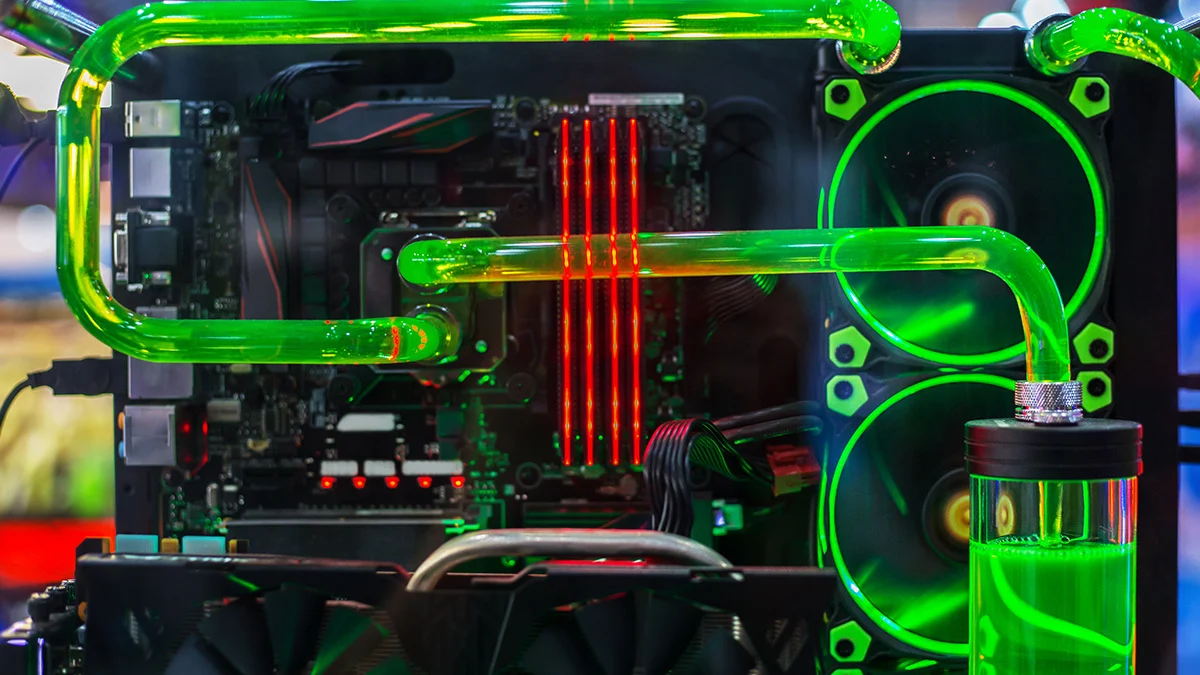
Liquid cooling, also known as water cooling, involves circulating a coolant—usually distilled water or a specially formulated liquid—through tubes, a radiator, a pump, and a CPU or GPU block to dissipate heat more efficiently than air cooling. There are two primary types:
- All-in-One (AIO) Liquid Coolers: Pre-assembled, sealed units that are easy to install and maintain.
- Custom Loop Liquid Cooling: Fully customized systems with separate components for a tailored cooling solution, often involving higher costs and more maintenance.
Benefits of Liquid Cooling for Gamers
1. Superior Thermal Performance
One of the main advantages of liquid cooling is its ability to transfer heat more efficiently than traditional air coolers. This results in lower CPU and GPU temperatures, which can be particularly beneficial during intense gaming sessions or overclocking.
- Overclocking Potential: Cooler components can be pushed beyond factory settings, increasing performance. Gamers who overclock their CPUs or GPUs often find liquid cooling essential to maintain stability.
- Extended Hardware Lifespan: Lower operating temperatures help prolong the lifespan of internal components, reducing the likelihood of thermal degradation over time.
2. Quieter Operation
Air coolers often rely on large, high-speed fans that produce noise, especially under load. Liquid cooling systems, particularly AIO units with high-quality radiators and pumps, tend to operate more quietly because they can dissipate heat more effectively at lower fan speeds.
- Enhanced Gaming Experience: Quieter systems mean less distraction during gameplay, enhancing immersion.
3. Aesthetics and Customization
Many gamers value the visual aspect of their builds. Liquid cooling setups often feature sleek radiator designs, transparent tubing, and RGB lighting options, allowing for a more attractive and personalized build.
- Showcase Builds: Custom loops can be designed as a visual centerpiece, appealing to enthusiasts who take pride in their systems.
4. Space Efficiency
In some cases, liquid cooling can save space inside the case, especially with compact All-in-One units, allowing for more flexible internal arrangements and improved airflow management.
Drawbacks of Liquid Cooling for Gamers
While liquid cooling offers several advantages, it is important to consider potential drawbacks:
1. Higher Cost
- Initial Investment: Custom liquid cooling loops can cost hundreds of dollars, including pumps, radiators, reservoirs, and fittings. Even high-end AIO coolers are more expensive than traditional air coolers.
- Maintenance Costs: Custom loops require regular maintenance, including coolant replacement, cleaning, and monitoring for leaks.
2. Complexity and Installation
- Installation Challenges: Setting up a custom loop requires technical knowledge and patience. Mistakes can lead to leaks or suboptimal performance.
- Potential for Leaks: Although modern systems are designed to be leak-proof, the risk exists, especially with custom configurations.
3. Reliability and Durability
- Pump and Tubing Failure: Moving parts like pumps can fail over time, leading to cooling issues.
- Long-term Stability: AIO coolers are generally reliable, but custom loops may require more frequent checks and maintenance.
4. Space and Compatibility
- Case Size Constraints: Some cases may not accommodate radiators or large tubing, limiting options.
- Compatibility Issues: Ensuring all components fit together and are compatible can be challenging.
Comparing Liquid Cooling and Air Cooling
To determine whether liquid cooling is worth it, it’s essential to compare it directly with air cooling across key factors:
| Feature | Air Cooling | Liquid Cooling |
|---|---|---|
| Cost | Lower initial cost | Higher initial cost (especially custom) |
| Installation | Easier, straightforward | More complex, time-consuming |
| Performance | Adequate for most users | Superior thermal performance, especially for overclocked systems |
| Noise Levels | Variable; high-end models are quieter | Generally quieter under load |
| Maintenance | Minimal | More frequent maintenance (custom loops) |
| Aesthetics | Functional, limited customization | Highly customizable, visually appealing |
| Space | Compact options available | Larger radiators/tubing may require more space |
When Is Liquid Cooling Worth It for Gamers?
Given these considerations, the decision to opt for liquid cooling depends on individual needs, budget, and goals. Here are scenarios where liquid cooling makes sense:
1. Overclocking Enthusiasts
Gamers who push their CPUs and GPUs beyond stock settings will benefit significantly from the superior cooling performance of liquid systems. Lower temperatures mean higher stable overclocking headroom and improved system stability during demanding gaming sessions.
2. Silent and Immersive Gaming Environments
If a gamer prioritizes a silent setup to avoid distractions, liquid cooling can provide quieter operation, especially at high loads.
3. Aesthetic and Showpiece Builds
For those who take pride in their PC aesthetics, custom water cooling loops can be designed as a visual centerpiece, combining performance with style.
4. High-Performance or Heavy Gaming Rigs
High-end gaming PCs with multiple GPUs or overclocked components generate significant heat. Liquid cooling can help manage this heat more effectively than air cooling, ensuring consistent performance.
5. Future-Proofing
Investing in liquid cooling can prepare a system for future upgrades, allowing higher overclocking potential and better thermal management as hardware demands increase.

When Might Air Cooling Suffice?
Conversely, for casual gamers or those on a budget, air cooling remains a practical and cost-effective solution:
- Standard Gaming Needs: For typical gaming at stock settings, high-quality air coolers can keep temperatures within safe limits.
- Budget Constraints: Lower-cost air coolers can be sufficient without the added complexity and expense.
- Ease of Maintenance: Air cooling requires minimal upkeep, making it suitable for users who prefer simplicity.
The Final Verdict: Is Liquid Cooling Worth It?
In conclusion, whether liquid cooling is worth it for gamers depends largely on individual requirements and expectations.
- For most casual gamers, air cooling offers an excellent balance of performance, cost, and ease of maintenance. It provides reliable cooling without the added complexity or expense.
- For enthusiasts, overclockers, and those seeking a premium aesthetic, liquid cooling provides tangible benefits—lower temperatures, quieter operation, and customization options—that can justify the higher investment.
- For future-proofing and high-performance builds, liquid cooling can help maintain thermal stability and extend hardware lifespan.
Ultimately, the decision hinges on your gaming goals, budget, and willingness to manage maintenance. If you are comfortable with the technical aspects and desire a high-end, visually impressive, and thermally efficient system, liquid cooling is indeed worth considering. However, if you prefer a straightforward, budget-friendly approach that keeps your system cool enough for everyday gaming, high-quality air cooling remains a solid choice.
Additional Considerations
- Market Trends: As CPU and GPU architectures become more energy-efficient and generate less heat, the necessity for advanced cooling solutions diminishes for average users.
- Technological Advances: Emerging cooling technologies, such as larger heatsinks, improved fan designs, and phase-change cooling, may influence future choices.
Summary
| Aspect | Liquid Cooling | Air Cooling |
|---|---|---|
| Performance | Superior, ideal for overclocking | Adequate for most gaming needs |
| Cost | Higher | Lower |
| Complexity | Higher | Lower |
| Aesthetics | Highly customizable | Functional, less customizable |
| Maintenance | More frequent | Minimal |
| Noise | Quieter | Varies, high-end models are quieter |
In essence, liquid cooling is a worthwhile investment for gamers seeking maximum performance, aesthetics, and customization, especially if overclocking or silent operation is a priority. For casual gamers or those on a budget, high-quality air cooling remains a reliable and economical option.